Ambrose Bierce Quotes
PALM, n. A species of tree . . . of which the familiar "itching palm" ("Palma hominis") is most widely distributed . . . . This noble vegetable exudes a kind of invisible gum, which may be detected by applying to the bark a piece of gold or silver.
Bierce, Ambrose. The Devil's Dictionary. The Neale Publishing Company, 1911.


It took until the Presidency of Theodore Roosevelt until monopolies were regulated. Like many of the rapacious businessmen of his era, bribery of public officials was so common that he had no problem admitting this to a reporter who was interviewing him. His father Cornelius, one of the great, creative industrialists of America, was not at all of the same mindset or the same corrupt character and saw corporations and the Railroads as having an important role in America with substantial obligations to the society which enabled the economic development and supported the railroads. He described his son as a “blockhead”. William goes down in American history as the arrogant industrialist and capitalist whose wealth was produced by his talent of being born to the right father who built the great empire. At that time the bribery of members of Congress was direct with cash going directly into their pockets, unlike modern times where it is indirect in the form of Campaign contributions.

Any fortress can be stormed provided there is a way up for a donkey with a load of gold on his back.
The greatest general and conqueror always tried to avoid a battle and casualties whenever possible. He was a master and bribing corrupt officials to surrender forts and cities or to disclose weaknesses in the defense. Gold was one of his major weapons.


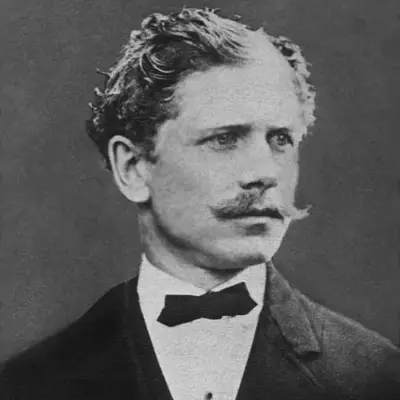
Ambrose Gwinnett Bierce was an American short story writer, journalist, poet, and Civil War veteran. His book The Devil's Dictionary was named as one of "The 100 Greatest Masterpieces of American Literature" by the American Revolution Bicentennial Administration. His story "An Occurrence at Owl Creek Bridge" has been described as "one of the most famous and frequently anthologized stories in American literature"; and his book Tales of Soldiers and Civilians (also published as In the Midst of Life) was named by the Grolier Club as one of the 100 most influential American books printed before 1900.
