Martha Nussbaum Quotes
On the whole, the accommodationist position has been dominant in U.S. law and public culture ─ ever since George Washington wrote a famous letter to the Quakers explaining that he would not require them to serve in the military because the 'conscientious scruples of all men' deserve the greatest 'delicacy and tenderness.'
Nussbaum, Martha C. Liberty of Conscience: In Defense of America's Tradition of Religious Equality. Basic Books, 2008.

Kennedy was being hurt be fears that as a Catholic, he would be beholden to the Pope and the Catholic Bishops. There were many protestants who believed that the Catholic Church was antithetical to democracy and some who even believed that Catholicism was the religion of Satan. Kennedy decided to confront the issue head on.


It was drafted by John Adams. Note that there was freedom of religion for Christians and not others. Of all the colonies, Massachusetts had the worst record of religious intolerance with Puritans controlling everything. Rhode Island and Connecticut were created by religious dissenters from Massachusetts. Adams had all he could do to get the Christian sects on an equal footing ratified. The other colonies however, insisted to a total freedom of religion clause which became the First Amendment to the national Constitution. Adams himself was a kind of secular, cultural Christian who did not believe in the divinity of Christ and other Christian doctrine. See {592695} to illustrate this.

This book is endorsed by major religious organizations of all faiths as well as National School Boards Association, National Education Association, National PTA, National Association of Secondary School Principals, National Association of Elementary School Principals, American Association of School Administrators and others. It is used as a guideline by most schools systems in the United States.


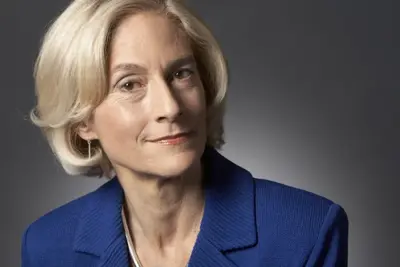
Martha Craven Nussbaum is an American philosopher and the current Ernst Freund Distinguished Service Professor of Law and Ethics at the University of Chicago, where she is jointly appointed in the law school and the philosophy department. She has a particular interest in ancient Greek and Roman philosophy, political philosophy, existentialism, feminism, and ethics, including animal rights. She also holds associate appointments in classics, divinity, and political science, is a member of the Committee on Southern Asian Studies, and a board member of the Human Rights Program. She previously taught at Harvard and Brown.
