Harriet Jacobs Quotes
No pen can give an adequate description of the all-pervading corruption produced by slavery.
Jacobs, Harriet A. Incidents in the Life of a Slave Girl. Published for the Author, 1861, p. 78.


Indian and Black slaves were outlawed very early in Connecticut, not on moral grounds of concern for the Indians and Blacks, but because of the negative effects on the white poor. Why would anyone pay the poor any more than the amortization costs of a slave? Therefore there was no way a poor white could make a living wage if slavery were to coexist.

Clark, after becoming one of the richest men in America, wanted to go into National Politics, but most people hated him so he could never win elected office. At the time, Montana selected their Senators by a vote of the State Legislature. So Clark bribed enough members of the legislature to become the Senator. However, the bribery scheme became a public scandal and the Senate refused to seat him. So the legislature had another vote in the next legislative session and Clark won again, and that time no one had the evidence of the bribes. But then, more about Clark became known, and he just served the one term.


None was forthcoming. This letter is of great historical interest in that it shows the corrupting influence of slavery on all facets of society.


Abd al-Rahman Ibn Mohammad. He is generally regarded to be the World’s first social scientist. The largest statue in Tunisia of not of a military leader of king, but of this social scientist.


Brown was the richest man in Rhode Island and made much of his money in the slave trade. This quotation shows that slavery was not completely a North verses South split. Northerners like Brown for whose family Brown University was named, was as virulent supporter of slavery as the most ardent Southerner.

[This was the first Abolition appeal written by a Black Man. It was published in Boston and was very popular going through two more printings within the next two years.]

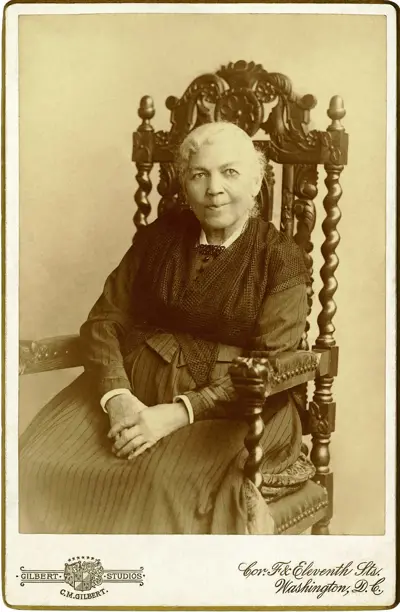
Harriet Jacobs was an African-American writer, whose autobiography, Incidents in the Life of a Slave Girl, published in 1861 under the pseudonym Linda Brent, is now considered an "American classic". Born into slavery in Edenton, North Carolina, she was sexually harassed by her enslaver. When he threatened to sell her children if she did not submit to his desire, she hid in a tiny crawl space under the roof of her grandmother's house, so low she could not stand up in it. After staying there for seven years, she finally managed to escape to the free North, where she was reunited with her children Joseph and Louisa Matilda and her brother John S. Jacobs. She found work as a nanny and got into contact with abolitionist and feminist reformers. Even in New York, her freedom was in danger until her employer was able to pay off her legal owner.
