George Woodcock Quotes
My split with the university was over the fact that I had become involved with helping Tibetans in India.


The highest court in New York.


The “gentlemen: were 4 ultraconservative members of Congress who objected to our sending surplus food to India when they had a terrible famine. India was “non-aligned” in the Cold War and the Congressmen did not want to send them food unless they allied with us against the Russians. India was a fledgling democracy at the time and was vulnerable to bad weather and crop failure. Once, our food helped them get on their feet, they improved their agricultural production and today they have sufficient food stored so that they can survive major agricultural crises.


Tibet and some other ethnic enclaves of China have been almost impervious to the general improvement in the standard of living that China accomplished at the end of the 20th century and beginning of the 21st. China is not the only nation to have this difficulty. Some would argue that America still has it with some of its Native American nations. The great challenge is trying to develop and modernize a culture that does not want to be modernized at the moment but still wants many of the benefits of modernization.


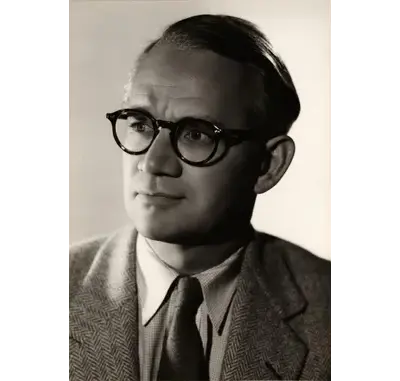
George Woodcock was a Canadian writer of political biography and history, an anarchist thinker, a philosopher, an essayist and literary critic. He was also a poet and published several volumes of travel writing. In 1959 he was the founding editor of the journal Canadian Literature which was the first academic journal specifically dedicated to Canadian writing. He is most commonly known outside Canada for his book Anarchism: A History of Libertarian Ideas and Movements (1962).
