Flavius Galerius Valerius Licinianus Licinius Quotes
Men should not appear in company with women in the houses of prayer
Flavius Galerius Valerius Licinianus Licinius, ~250-325, Roman Emperor, Edict
Sourced by: Eigen's Political and Historical Quotations


Sharie is the Islamic code of law based on the Koran which is so brutal that they would stone a woman to death who had illicit sex or kill someone who wanted to change his religion.


Anne Hutchinson was tried by the Puritan religious and civil court for heresy. She started with Bible Study classes in her home and drew a substantial following. The clergy at the time were threatened and outraged. It was one thing for a woman to teach Bible Study to other women, but to also have men with the women was too much. The decision of the court was that she was banished from the colony. See {584753}.


Manava Dharma Shastra. This text is a part of the Hindu Holy Texts. Hindus believe that Manu was a prophet whose text is revealed or inspired.


The large communal worship of Muslim men is dramatic throughout the Islamic world for the non-participation of women. However, as this quotation demonstrates, it was not always thus. There is precedent for large communal Islamic worship of women.

This is the earliest surviving attempt of the Romans to formulate a legal code.


This prayer was made very frequently by Jewish Men for over 2000 years. Orthodox Judaism is a sexist religion and much of the sexism of the Christian churches followed this tradition. There are 3 forms of Judaism. The Reform Jews have never used this wording. Most Conservatives synagogues have changed part of the wording to read “who has made me in your image.” In a 15th century manuscript of the prayer the sexist line was rewritten as: “who has made me a woman and not a man”, so it seems there was at least one Jewish Feminist who took action.


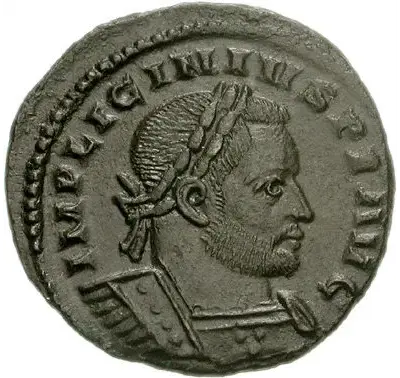
Valerius Licinianus Licinius (c. 265 – 325) was Roman emperor from 308 to 324. For most of his reign he was the colleague and rival of Constantine I, with whom he co-authored the Edict of Milan, AD 313, that granted official toleration to Christians in the Roman Empire. He was finally defeated at the Battle of Chrysopolis (AD 324), and was later executed on the orders of Constantine I.
