Heywood Broun Quotes
Many American campaigns have been distinguished by dirty tactics, but I can think of none in which willful fraud has been so brazenly practiced.
Sinclair was a writer who had written about some of the worst scandals in American politics, leaned toward socialized democracy, and decided to run as a reform candidate in California where he lived. He won the Democratic primary easily even though he had no money, political experience, or backing. He terrified the Republicans who ran one of the dirtiest campaigns in American History (see {619613}) to defeat him spending more money than in any election up to then including the Presidential elections. Sinclair lost, but it was close.
Heywood Broun, 1888-1939, Columnist & Unsuccessful Candidate for Congress (Socialist), Description of the Republican California Gubernatorial 1934 Campaign Against Upton Sinclair, Quoted in Greg Mitchell, 'Why Obama Won', The Huffington Post, October 30, 2008
Sourced by: Eigen's Political and Historical Quotations

Sinclair was a writer who had written about some of the worst scandals in American politics, leaned toward socialized democracy, and decided to run as a reform candidate in California where he lived. He won the Democratic primary easily even though he had no money, political experience, or backing. He terrified the Republicans who ran one of the dirtiest campaigns in American History to defeat him spending more money than in any election up to then including the Presidential elections. Rogers, who did not usually support individual politicians, made fun of them all, but he thought that Sinclair would be a good political leader. Sinclair lost, but it was close.


His older brother was running for Consul—the highest elected office of the Roman Empire. The Handbook, was his advice to his brother as to how to conduct his campaign.

They were voting on ignoring the fraudulent vote count in Dallas County, Alabama. The counter argument was that it would disenfranchise those honest voters of the country whose votes would not then be counted.


The George W. Bush administration was trying to get its prescription drug plan through the House, but when the voting time ran out they did not have enough votes. The Republican leadership, for the first time in American Congressional history would not let the vote end and kept it open for another 3 hours while they persuaded some members to switch their vote. Smith was one of those. He had announced his retirement and his son was running for his seat. Tom Delay promised to support and campaign for his son, if Smith would switch his vote. Cunningham who was being given funds from companies, threatened to finance an opponent and hurt his son’s chances. In addition Cunningham was taking large bribes to steer contracts to incompetent contractors.


The President and many others feared a combination of voter ignorance and illiteracy together with vote buying, and voter fraud. Laws were advocated to clean up elections and outlawing paying for votes. Also literacy tests for voters were instituted but while for many the intention was noble, many of the Southern states used the voter literacy issue as a way of having subjective literacy tests to keep Blacks from voting.


Msny critics agree with him observing that, with his rough and tumble campaign tactics, he made them that way.


Both President Nixon and Vice President Agnew attacked Democratic candidates' "creeping permissiveness" and labeled anti-war protesters as "thugs and hoodlums."

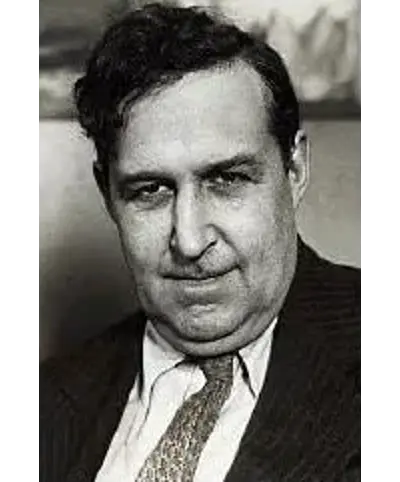
- Born: December 7, 1888
- Died: December 18, 1939
- Nationality: American
- Profession: Journalist, Sportswriter, Columnist
Heywood Campbell Broun Jr. was an American journalist. He worked as a sportswriter, newspaper columnist, and editor in New York City. He founded the American Newspaper Guild, later known as The Newspaper Guild and now as The NewsGuild-CWA. Born in Brooklyn, New York, he is best remembered for his writing on social issues and his championing of the underdog. He believed that journalists could help right wrongs, especially social ills.
