Roger Ebert Quotes
Lebanon was at one time known as a nation that rose above sectarian hatred; Beirut was known as the Paris of the Middle East. All of that was blown apart by senseless religious wars, financed and exploited in part by those who sought power and wealth. If women had been in charge, would they have been more sensible? It's a theory.
Ebert, Roger. "Where Do We Go Now?" RogerEbert.com, Ebert Digital LLC, 23 May 2012.


The issue of force verses diplomacy has been in debate at almost all times. However, the issue of the conflict with Islam is much the same today—almost 1000 years later


Wilson was a descended from a line of fundamentalist Presbyterian Ministers who believed firmly that God ordained the Holy Land for the Jewish People. Even though the WWI peace was the main topic of the Versailles Treaty negotiations, because the Turks made the poor judgment to ally themselves with the Germans and the Ottoman Empire was to be broken up. There was much lobbying by Zionists of many countries and many Arab groups even then.


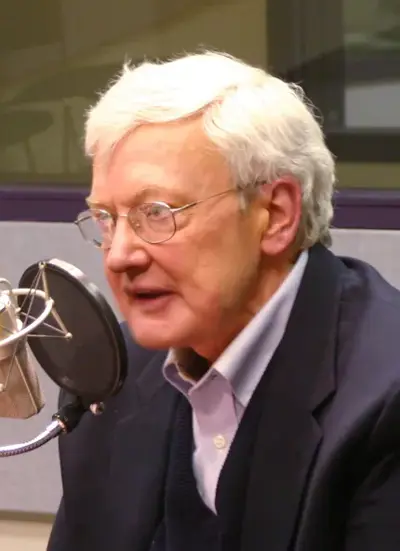
Roger Joseph Ebert was an American film critic, film historian, journalist, screenwriter, and author. He was a film critic for the Chicago Sun-Times from 1967 until his death in 2013. In 1975, Ebert became the first film critic to win the Pulitzer Prize for Criticism. Neil Steinberg of the Chicago Sun-Times said Ebert "was without question the nation's most prominent and influential film critic," Tom Van Riper of Forbes described him as "the most powerful pundit in America," and Kenneth Turan of the Los Angeles Times called him "the best-known film critic in America."
