Arthur Goldberg Quotes
It is fundamental that the great powers of Congress to conduct war and to regulate the Nation's foreign relations are subject to the constitutional requirements of due process. The imperative necessity for safeguarding these rights to procedural due process under the gravest of emergencies has existed throughout our constitutional history, for it is then, under the pressing exigencies of crisis, that there is the greatest temptation to dispense with fundamental constitutional guarantees which, it is feared, will inhibit governmental action.
Arthur Goldberg, 1908-1990, U. S. Supreme Court Justice, United States Secretary of Labor (Democrat), U. S. Ambassador to the United Nations, Kennedy v. Mendoza-Martinez, 1963
Sourced by: Eigen's Political and Historical Quotations


In 1949 the NATO treaty was signed. There was concern that a phrase in the treaty authorizing signatories to take "such action as it deems necessary, including the use of armed force" would undermine Congress's powers:


There are some who believe that in a time of national emergency the government has the right to suspend the bill of rights or any other constitutional provision. This view is typically held by most foreign governments and they do this all the time. However in America, there is a general consensus that emergency does not vitiate the constitution. However even President Abraham Lincoln tried to suspend aspects of the Bill of Rights during a national crisis.


See George Mason for the contrary view. {606646}

There was much New England dissatisfaction with the disproportionate power held by the Southern states as a result of counting three-fifths of the slave population for apportioning Congressional seats. In addition they were disproportionately hurt by the War of 1812 and the Embargo on trade with England. Secession was proposed but failed to get a majority. A number of proposed Constitutional amendments were voted upon. The super-majority herein required would have diminished their vulnerability to Southern power.

Mosley had been incarcerated without charges or trial under the “national emergency” of the Second World War. This prevented him from organizing his “Blackshirts.” When it was clear that Germany would lose the war, Oswald was released, but without the prospect of Fascism dominating continental Europe, there was little interest in Fascist movements in England.

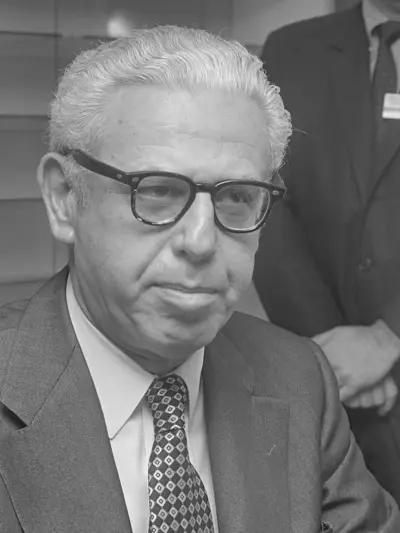
Arthur Joseph Goldberg was an American statesman and jurist who served as the 9th U.S. Secretary of Labor, an Associate Justice of the Supreme Court of the United States, and the 6th United States Ambassador to the United Nations.
