Richard Dawkins Quotes
It is fashionable to wax apocalyptic about the threat to humanity posed by the AIDS virus, "mad cow" disease, and many others, but I think a case can be made that faith is one of the world's great evils, comparable to the smallpox virus but harder to eradicate.
Some scientists are religious believers. Many are not. However, relatively few hold the position that Dawkins does that religion is and has been an evil force in the world. These argue that religions and religious factionalism has caused as many deaths as epidemics and pandemics and is an evil for society. While that argument has been historically true in much of the world, religious conflict deaths has actually decreased in frequency over the last century and may be at a world-wise low as a percentage of the world population. With the exception of Islamic fundamentalist extremism, there is no religious group that advocates religious violence and has a majority of any country. Moderate Muslims have never before been in greater numbers, so it can be argued that modern society and most religions have been reforming themselves over the years.
Richard Dawkins, British Zoologist, "Is Science a Religion?", The Humanist, January 1997
Sourced by: Eigen's Political and Historical Quotations


He was an overt atheist; there were many non believers in Europe at the time but few were overt. He also wrote under the name of Jean Baptiste de Mirabaud.

Some of the founding fathers were deeply religious men while others were not so. Some varied in their believes at different times of their lives, and a number were not very facorable towards orthodox religion. At the time, Roman Catholic and Protestant churches were persecuting other religions throughout Europe and people were still being killed for their heretical beliefs. Most important to some of them, kings and other monarchs whom they abhorred, all at the time claimed the Divine Right of Kings and the established churches were the most important support for monarchs. At the time most organized religions were opposed to freedom of conscience and certainly opponents of separation of church and state. American churches tended to take on American values but were never given the chance to dominate the American government they way many had in Europe and the rest of the world.


This particular quotation was very damaging to Christians of the era. Voltaire was almost universally regarded as the greatest mind of Europe at the time. He was consulted by powerful monarchs and others throughout Europe. He influenced major figures of the day like Catherine the Great. Voltaire did believe in God. See {621200}.


He was writing about the superstitions that there were specific people—witches and warlocks—whose magic could bring hail, thunder and other natural phenomena. At the time he wrote this most educated clerics believed in witchcraft and magic.

Spinoza was one of the most feared intellectuals in human history—feared that is by the established power structures. He is the only known person who was excommunicated by the Catholics, the Jews and the Muslims—all were forbidden to read his works. He was the enemy of authority and advocated personal reason as the guide for men.


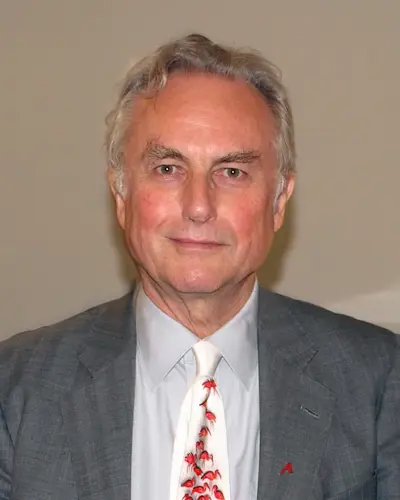
Richard Dawkins FRS FRSL is a British ethologist, evolutionary biologist, and author. He is an emeritus fellow of New College, Oxford, and was the University of Oxford's Professor for Public Understanding of Science from 1995 until 2008. An atheist, he is well known for his criticism of creationism and intelligent design.
