Friedrich Schiller Quotes
It is criminal to steal a purse, daring to steal a fortune, a mark of greatness to steal a crown. The blame diminishes as the guilt increases.
Schiller, Friedrich. Fiesco, or the Genoese Conspiracy. Translated by G. H. Noehden and J. Stoddart, J. Johnson, 1796, p. 89.

In the quoted passage, it describes Diogenes as observing a thief being arrested in one of the religious temples by the officials of the temple. He had pilfered one of the temple treasures. Not unlike modern times, most religious organizations raised money be getting donations from the public. Some of the means of many of the religious groups are and have been of dubious morality and if used in commerce would generally be considered fraud. This quotation shows that this is not a new phenomenon nor was it limited to monotheistic religions.


Generally, the robbery he was referring to was white color crime, profits from monopolies, profits made by deviating from laws and regulations, and most frequently by methods that most people think should be illegal and certainly are immoral, but the wealthy have persuaded the Congress and Executive to make many of these thinks legal.

McCarthy was in many ways like Donald Trump. One was that the press loved to cover his statements and accusations that were so absurd and sensational that they sold a lot of nespapers, magazines and obtained many TV / Radio viewers/listeners. As a result he got much more media coverage that he warranted in the view of many. In retrospect, Kampton, one of the most prestegious journalsits of his era, felt that he had been guilty of wrongful judgment in covering McCarthy and giving him so much press, just as many journalists did after they covered Donald Trump in the 2016 Campaign.


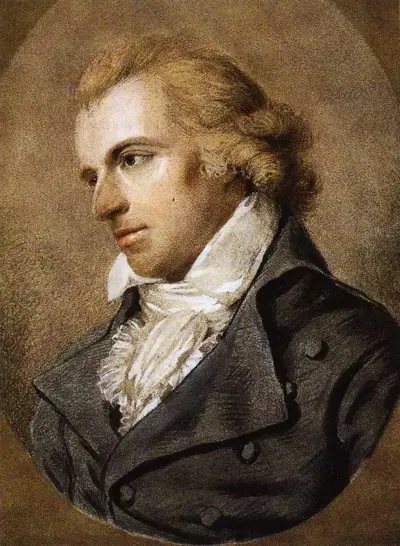
Johann Christoph Friedrich (von) Schiller was a German poet, philosopher, physician, historian, and playwright. During the last seventeen years of his life (1788–1805), Schiller developed a productive, if complicated, friendship with the already famous and influential Johann Wolfgang von Goethe. They frequently discussed issues concerning aesthetics, and Schiller encouraged Goethe to finish works he left as sketches. This relationship and these discussions led to a period now referred to as Weimar Classicism. They also worked together on Xenien, a collection of short satirical poems in which both Schiller and Goethe challenge opponents of their philosophical vision.
