Martha Gellhorn Quotes
In the last camp they all ate grass, until the authorities forbade them to pull it up. They were accustomed to having the fruits of their little communal gardens stolen by the guards, after they had done all the work; but at the last camp everything was stolen.
Gellhorn, Martha. The Face of War. Atlantic Monthly Press, 1988.


Ingersoll was considered to be the greatest orator and political thinker of his day, but his overt atheistic views curtailed his elected political career.

In Russia at the time, serfs were little better off than slaves. Not only did they have to obey their landlords in all things, but any who advocated disobedience on their part were beaten and sent to Siberia. Exile to the Siberian Gulags was not an invention of the Communists of the 20th century although they used that punishment in unprecedented numbers. It was used by the Czars and the Empress.


For his seditious activities he was sentenced to penal servitude for life. He escaped and came to America where he entered politics

Even a cursory reading of the Koran and early Muslim history would show that there were vast inequalities in the economic order long before the ‘imperialists’ were involved in the Middle East. Throughout the Islamic world there has always been the oppressors and the oppressed and inequality has usually been much worse than in the ‘imperialist’ countries.

Parker and other escaped slaves in Christiana fought off slave catchers and killed the slave owner leading them. Charged with treason, he escaped to Canada with his family and lived there the rest of his life. While not a polished writer, after he himself had escaped and went to Christiana and leaned to read and write. He wrote this narrative of his life as a slave—one of the few written works we have from slaves.

His voyage took him to several slave countries where his anti-slavery views were challenged by locals.


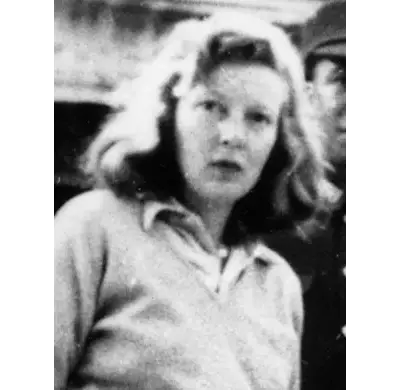
Martha Ellis Gellhorn was an American novelist, travel writer, and journalist who is considered one of the great war correspondents of the 20th century.
