Ulrich Beck Quotes
In the first instance, therefore, global terrorism created a kind of global community sharing a common fate, something we had previously considered impossible.
Beck, Ulrich. "We Are Living in a World That Is Beyond Controllability." Goethe-Institut, 2005.

She was just a slight bit premature but she was percent and perceived the globalization trend even before there were words to describe it www used.

Prior to WWII mist Republicans and some Democrats were isolationists who wanted no American involvement in foreign affairs and were opposed to military spending and preparedness. The Second World War changed that and the President announced the change.


This call anticipated the formation of the United Nations.

The support given by China during the economic crisis of 2008 helped prevent a complete world meltdown. The Premier was right about the world impact.


At the time America was a very minor player in the world economy and had no external military presence at all. The reason that Lafayette and others saw much of the world’s welfare dependent upon the welfare of America and the success of the American Revolution was because of the concept of a democracy and a republic as opposed to a monarchy and autocracy which was how the rest of the world was governed. If the American experiment succeeded, freedom and democracy would spread as a result of the example. If America failed, reform the world over suffered. And Lafayette was right. America survived and its influence changed virtually all of Europe and much of the rest of the world as well.


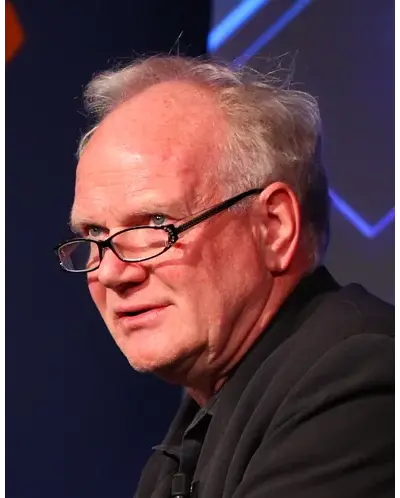
Ulrich Beck was a well known German sociologist, and one of the most cited social scientists in the world during his lifetime. His work focused on questions of uncontrollability, ignorance and uncertainty in the modern age, and he coined the terms "risk society" and "second modernity" or "reflexive modernization". He also tried to overturn national perspectives that predominated in sociological investigations with a cosmopolitanism that acknowledges the interconnectedness of the modern world. He was a professor at the University of Munich and also held appointments at the Fondation Maison des Sciences de l’Homme (FMSH) in Paris, and at the London School of Economics.
