John Sulston Quotes
In science, as in business, there must be structures that ensure the well endowed do not use their position to block competition.
Sulston, John E., and Georgina Ferry. The Common Thread: A Story of Science, Politics, Ethics and the Human Genome. Bantam Press, 2002.


In 1881 this view was that of a radical political outlier. In the first decades of the 21st century, this was a generally acceptable political viewpoint held by members of both major political parties.


He was trying to get the Democratic Presidential Nomination.


Most defenders of the Capitalist system that produces large inequities argue that interfering in the free market wouldl be worse. However this thesis argues that the inequality is actually good for the people including those at the low end of the ladder.


When Tocqueville studied the United States, it was inferior to the England and the other European aristocracies in science, the arts, literature, philosophy, theology and most other intellectual fields of culture and human endeavor. He did not have the opportunity to observe the interactive, long term effects of freedom, democracy, and public education. The US would become the dominant cultural nation of the world, with the English language in far greater usage than at the height of the British Empire. American Science, literature, art developed with more and more people participating in and being educated for those areas and were free to create without the restraints of government or even cultural norms. American creativity was demonstrated by more new religions being created that than in any other nation on earth.


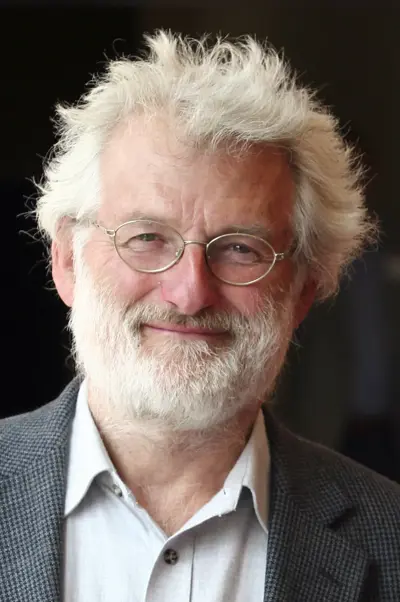
Sir John Edward Sulston CH FRS MAE was a British biologist and academic who won the Nobel Prize in Physiology or Medicine for his work on the cell lineage and genome of the worm Caenorhabditis elegans in 2002 with his colleagues Sydney Brenner and Robert Horvitz. He was a leader in human genome research and Chair of the Institute for Science, Ethics and Innovation at the University of Manchester. Sulston was in favour of science in the public interest, such as free public access of scientific information and against the patenting of genes and the privatisation of genetic technologies.
