Norman Borlaug Quotes
In my Nobel lecture, I suggested we had until the year 2000 to tame the population monster, and then food shortages would take us under. Now I believe we have a little longer.
Bailey, Ronald. "Billions Served: Norman Borlaug Interviewed by Ronald Bailey." Reason, vol. 31, no. 11, Apr. 2000, pp. 30-37.


See {621143} for the situation even before the critical population is reached.


In Burundi, family land is divided among the male children of a family. The average Burundian woman has 6.3 children, nearly triple the international fertility rate. With this fertility rate, the plots of land for each person inevitably get smaller and smaller over time. At 10,745 square miles, Burundi is slightly smaller than the U.S. state of Maryland, but it holds nearly twice as many people: about 10 million. The small plots of land are inefficient to farm and provide subsistence. So the nation was in a crises as there was little industrialization and land was essential for existence for most Burundians. See {35808} and {35809}.

Johnson insisted that he would not provide food to ease India’s famine until the nation adopted a family planning program including education about all methods of birth control and making available devices such as condoms to India’s poor


Often referred to as “Father of the Green Revolution” for his contributions to food growing throughout the world


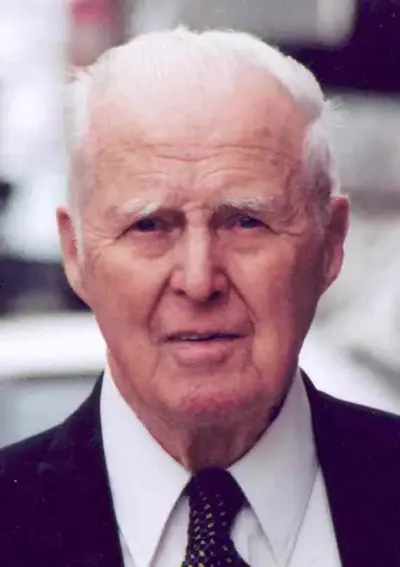
Norman Ernest Borlaug was an American agronomist who led initiatives worldwide that contributed to the extensive increases in agricultural production termed the Green Revolution. Borlaug was awarded multiple honors for his work, including the Nobel Peace Prize, the Presidential Medal of Freedom and the Congressional Gold Medal.
