Ted Kennedy Quotes
In decision after decision on the bench, Judge [Samuel] Alito has excused abusive actions by the authorities that intrude on the personal privacy and freedoms of average Americans.
Kennedy, Edward M. Opening Statement at the Confirmation Hearing of Samuel A. Alito, Jr. Senate Judiciary Committee, 9 Jan. 2006, Washington, D.C.


Snowden, was a contract worker for Booz Allan assigned to the National Security Agency (NSA). He felt that some of the NSA activities were illegal and unethical and tried to complain to NSA officials who rebuffed him. Despite the fact that he had signed an agreement not to do so, he copied many critical, classified documents that exposed much of the NSA activities that the NSA officials had denied existed—including lying under oath to the Senate. He then made many of them public, violating his oath, breaking the law, and opening up an entire area of government spying which most Americans knew nothing about and about which senior government officials had lied under oath to Congress. They of course wanted to prosecute Snowden who had told the truth, while they had lied. For many Americans, this became a moral and ethical conundrum.

The choice is usually contrasted between guilty persons going free, rather an innocent one be adjudicated guilty. But here the justice tells us that the avoidance of an innocent person being subject to easy arrest is important enough to have a system where guilty people sometimes escape justice.


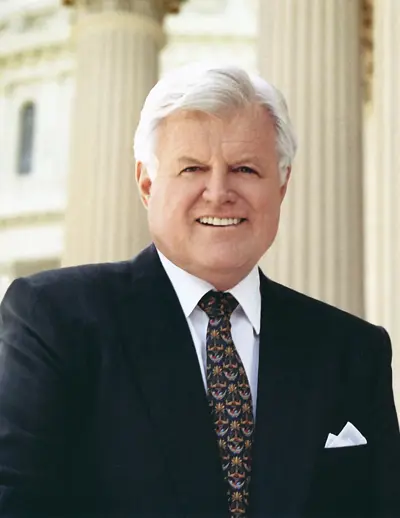
Edward Moore Kennedy was an American politician and lawyer who served as a U.S. Senator from Massachusetts for almost 47 years, from 1962 until his death in 2009. A member of the Democratic Party and the Kennedy political family, he was the second most senior member of the Senate when he died and is the fourth-longest-continuously-serving senator in United States history. Kennedy was the younger brother of President John F. Kennedy and U.S. Attorney General and U.S. Senator Robert F. Kennedy, and was the father of Congressman Patrick J. Kennedy.
