Blake Farenthold Quotes
The fourth amendment specifically was designed to prohibit general warrants. How could collecting every piece of phone data be perceived as anything but a general warrant?
Farenthold, Blake. Remarks at House Judiciary Committee Hearing. Government Publishing Office, 2013.


He was then a Senator. When he became Attorney General he not only greatly increased the amount of surveillance that was done be the Federal government, but he also asked for huge increases in government authority to read mail and conduct surveillance—increases that he had opposed when he was a Senator.

Snowden, was a contract worker for Booz Allan assigned to the National Security Agency (NSA). He felt that some of the NSA activities were illegal and unethical and tried to complain to NSA officials who rebuffed him. Despite the fact that he had signed an agreement not to do so, he copied many critical, classified documents that exposed much of the NSA activities that the NSA officials had denied existed—including lying under oath to the Senate. He then made many of them public, violating his oath, breaking the law, and opening up an entire area of government spying which most Americans knew nothing about and about which senior government officials had lied under oath to Congress. They of course wanted to prosecute Snowden who had told the truth, while they had lied. For many Americans, this became a moral and ethical conundrum.


Many politicians were arguing that giving the intelligence agencies more power to wiretap, bug and hack into personal communications despite the 4th Amendment’s strictures argued that the public was in rational fear of terror attacks and had a right to be protected.

to enhance its ability to conduct surveillance


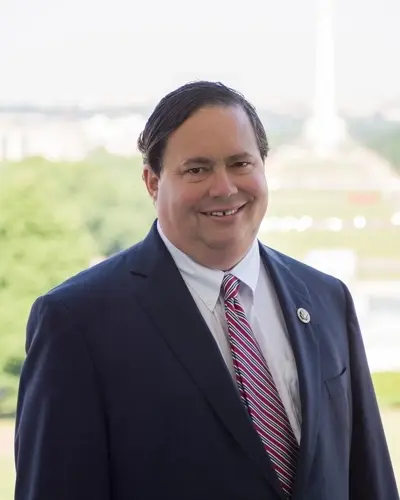
Randolph Blake Farenthold is an American politician and lobbyist. A member of the Republican Party, Farenthold co-hosted a conservative talk-radio program before beginning a career in politics. Farenthold served as the U.S. Representative for Texas's 27th congressional district from 2011 until his resignation in April 2018 in the wake of reports he used public funds to settle a sexual harassment lawsuit and had created an intensely hostile work environment for women in his congressional office. Upon resigning, Farenthold pledged to reimburse the US$84,000 in public money that he used to settle the lawsuit, then reneged his pledge to repay in May 2018.
