David Galula Quotes
[In counterinsurgency] a soldier must be prepared to become a propagandist, a social worker, a civil engineer, a schoolteacher, a nurse, a boy scout.
He fought in Algeria and other counterinsurgencies and then studied them. He wrote the classic book on counterinsurgency warfare. After all the mistakes the U. S. made after the successful invasion of Iraq, his book and doctrine were very influential in the change in strategy and tactics that turned the Iraq War in our favor.
David Galula, 1919–1967, French Military Officer, Warfare Scholar & Writer, Counter Insurgency Warfare: Theory & Practice, 1958
Sourced by: Eigen's Political and Historical Quotations

He fought in Algeria and other counterinsurgencies and then studied them. He wrote the classic book on counterinsurgency warfare. After all the mistakes the U. S. made after the successful invasion of Iraq, his book and doctrine were very influential in the change in strategy and tactics that turned the Iraq War in our favor.
He fought in Algeria and other counterinsurgencies and then studied them. He wrote the classic book on counterinsurgency warfare. After all the mistakes the U. S. made after the successful invasion of Iraq, his book and doctrine were very influential in the change in strategy and tactics that turned the Iraq War in our favor.
A mimeograph machine was an office duplicator before the invention of the Xerox machine. Galula fought in Algeria and other counterinsurgencies and then studied them. He wrote the classic book on counterinsurgency warfare. After all the mistakes the U. S. made after the successful invasion of Iraq, his book and doctrine were very influential in the change in strategy and tactics that turned the Iraq War in our favor.

After Japan attacked Pearl Harbor, we declared war on Japan. Germany then declared war on the United States, and America was in the fight. But the earlier policy had been to provide weapons, food, and supplies.


The British, despite Clinton’s correct perception of its importance, could not capture the “hearts and minds” of the American colonists. The importance of the quotation lies in the fact that it appears to be the first time the phrase was used in a political context. Click http://politicalquotes.org/search/node/Hearts%20and%20Minds to see other, later, political quotations that use the phrase. See especially {628753} which became one of the most famous quotations to come out of the Vietnam War.

He fought in Algeria and other counterinsurgencies and then studied them. He wrote the classic book on counterinsurgency warfare. After all the mistakes the U. S. made after the successful invasion of Iraq, his book and doctrine were very influential in the change in strategy and tactics that turned the Iraq War in our favor.


Clark had commanded the American and NATO forces in the Serbian War where all the military and political objectives were accomplished with heavy losses to the Serbian’s and none to the allied side—what many think was the most successful war in American History. Like Eisenhower in WWII one great challenge for Clark was the political and strategic one of keeping the coalition of all the allied governments working together. His perspective had been like Eisenhower’s and other officer’s perspectives in history, which was much wider and geopolitical than the views of most military officers.


At the time she was herself in exile in Jordan where she worked with the over 1 million Arab refugees (from both Syria and Iraq) in Jordanian refugee camps. The contrast between the two groups of refugees she found dramatic.
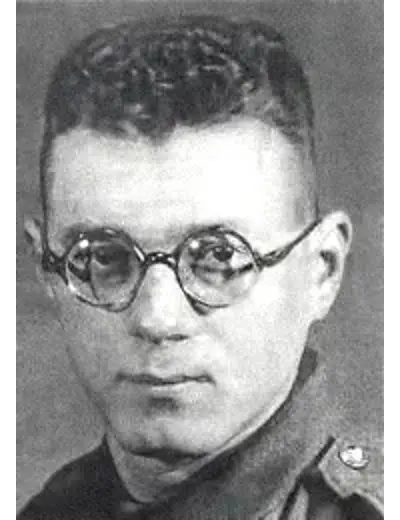
David Galula (1919–1967) was a French military officer and scholar who was influential in developing the theory and practice of counterinsurgency warfare.
