Michael O'Hanlon Quotes
We have to go in and win this war quickly, and then be prepared to help stabilize Iraq over an indefinite period, five to ten years, at a minimum, I believe, using a large fraction of American forces. This is a major undertaking that likely would require a total of 150,000 troops and could stay above 100,000 for several years
Michael O’Hanlon, Defense Analyst at the Brookings Institution, Statement just after Congress authorized the war in Iraq, 2002, Quoted in Thomas E. Ricks, Fiasco- The American Military Adventure in Iraq
Sourced by: Eigen's Political and Historical Quotations


He was the spokesperson for Secretary of Defense Donald Rumsfeld and the Administration’s Iraq War effort. It has never been ascertained whether the George W. Bush Administration was deliberately lying about the Iraq invasion or whether they were terribly naïve and not very competent.

The Vice President was one of the architects of and advocates for the Iraq War. To garner public support he (and the others supporting the war) claimed that Iraq had developed weapons of mass destruction and made a serious of predictions about the war. He was wrong on all counts. There were no WMDs, none were even being developed, and we needed hundreds of thousands of troops for a decade as we were not greeted as liberators but the vast majority of our casualties and deaths in Iraq came after the invasion was successful and the population showed very hostile to U. S. occupation and our governing policies.


3 years later he led America on a huge invasion and nation building project in Iraq. It turned out that had he listened to his own advice and not flip-flopped, the huge cost of the Iraq War might have been avoided.

His balanced judgment and concern for American Casualties changed during the Iraq War over a decade later where he insisted on taking steady American casualties even after Saddam had been deposed and American troops were in the middle of a sectarian civil war.


They referred to the George W. Bush Administration. The Powell Doctrine, created by then Secretary of State when he was Chairman of the Joint Chief’s of Staff stated that if American Troops were ever to be used in combat, they should be deployed in massive overwhelming force and have a clear exit strategy. Powell lost the internal argument and was marginalized, but he turned out to be absolutely right.


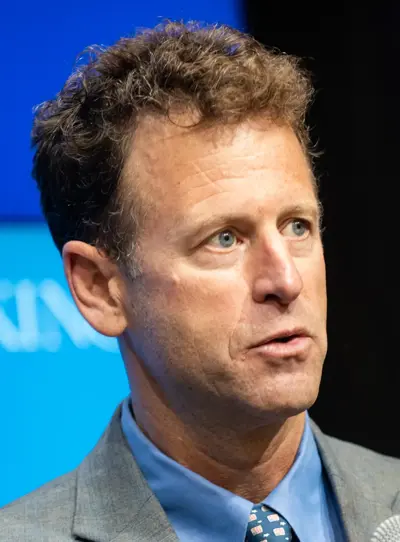
Michael Edward O'Hanlon is a senior fellow at The Brookings Institution, specializing in defense and foreign policy issues. He began his career as a budget analyst in the defense field.
