William H. Wharton Quotes
In addition to the dread of Indians, Texas held out no inducements for Mexican emigrants.
Wharton, William H. Texas: A Brief Account of the Origin, Progress and Present State of the Colonial Settlements of Texas, Together with an Exposition of the Causes Which Have Induced the Existing War with Mexico. S. Nye and Co., 1836.


This is the clause that many Palestinians point to as supporting their position that even thought most Arab refugees left Israel voluntarily, they had a right of return.


Quintus Horatius Flaccus

The Prime Minister, as a young child, had immigrated to America:


This ordinance opened the door somewhat to slavery again as Austin said it would “permit families to bring the necessary and indispensable house servants and laborers.” Earlier Mexican laws had abolished slavery in most of Mexico but left the door open in Texas. See {613642} and {613644}.

One thing that made this a very unusual declaration was that in 1381 an act (see {616281}) was passed in England which prohibited anyone from leaving the country without the express permission of the monarch. In this case she gave Gilbert the right to take any Englishman who wanted to go. With all the rights of Englishmen from Magna Carta on down, the right of emigration did not appear until modern times.

The King wanted colonists for the American colonies, but did not want Roman Catholics.

This quotation illustrates the racist view of Native Americans that prevailed at the time. The Mexican government invited settlers and would give then the Indian lands. In addition to Mexicans who came to Texas, many Americans also went to Texas, changing their citizenship to Mexico. Later, they banded together and broke from Mexico and Joined the United States. The Indians lost most of their lands.


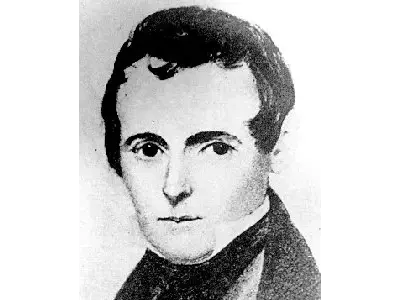
William Harris Wharton was an American colonist, diplomat, senator and statesman in early Texas.
