Wayne L. Morse Quotes
If the gentlemen from the South really want to take such action, let them propose a constitutional amendment that will deny to the colored people of the country equality of rights under the Constitution, and see how far they will get with the American people.
The large majority of the American people opposed legal segregation and for years, the segregationist, racist, Southern white minority were able to prevent any Civil Rights legislation by using the filibuster until President Lyndon Johnson, formerly a Southern Senator who understood the legislative process better than any other American president used his great skill to pass Civil Rights legislation instead of opposing it which he had done for years as a Texas Senator and the Majority Leader of the Senate.
Wayne L. Morse, 1900-1974, U. S. Senator (Republican & Independent), Quoted in Time, March 26, 1956
Sourced by: Eigen's Political and Historical Quotations


Southerners and some others wanted to discriminate and fought civil rights legislation. The excuse they gave for opposition was that the Federal Government was usurping the power of the states to determine what civil rights people of the state would have. Shellabarger made it clear that the civil rights bill would not require ANY rights to be given. It just required that if the states granted rights, they could not discriminate by race as to those rights. But the states were free to decide which rights all citizens of the state would have. See {623473} .

Blacks were fighting and dying in WWII. They were equal when they were under fire, but otherwise not. The war was against fascist protagonists whose creed was inequality while the allies were upholding freedom and equality. But making that aspiration a reality was difficult.


He was right. Even the vaunted Southern Filibuster was broken by the strategy and tactics Johnson and Senator Humbert Humphry, the Floor Leader for the 1964 Civil Rights Bill.


Eight years and a Civil War later, he had changed his mind and was the sponsor of the Civil Rights Act of 1866—the first Federal civil rights law in America. See {587711}.

Many fighters for civil rights split from the majority of the Black leadership over racial preferences for affirmative action.


The statement was made even more dramatic as the outgoing Governor, Lester Mattox, standing behind Carter at the ceremony, was an arch segregationist.


There are few people today who could believe that a United States senator would castigate the head of a Federal Agency for spreading “racial equality propaganda.” But at the time—1943—the actions of Education Commissioner John W. Studebaker and his Assistant took remarkable courage.

In the middle of WWII where Black soldiers were fighting and dying on the war front, there were fears of racists that the Blacks would return and demand full equality and an end to segregation. There were threats in the South of armed attacks against any returning serviceman who would push for desegregation.


The following year most of the Southern Democrats joined the Republican Party in Protest over the Civil Rights Act. Reagan began to have national political ambitions and therefore flip flopped and stated that he would never have voted for the Civil Rights Act. This made him acceptable later as a conservative.


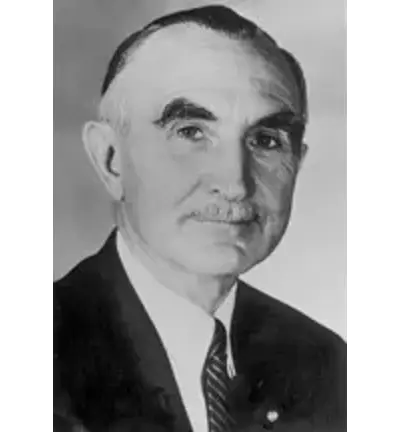
Wayne Lyman Morse was an American attorney and United States Senator from Oregon. Morse is well known for opposing his party's leadership and for his opposition to the Vietnam War on constitutional grounds.
