Elijah Parish Lovejoy Quotes
I have sworn eternal opposition to slavery, and by the blessing of God, I will never go back.
Lovejoy, Joseph C., and Owen Lovejoy. Memoir of the Rev. Elijah P. Lovejoy; Who Was Murdered in Defence of the Liberty of the Press, at Alton, Illinois, Nov. 7, 1837. John S. Taylor, 1838, p. 215.


This was Wesley’s last letter. Wilberforce, a member of Parliament, had been a convert to Methodism and was the leading spokesperson in Parliament for making participation in the slave trade illegal. It would take 16 years of effort before England outlawed participation in the slave trade. Note the distinction commonly made by abolitionists at the time regarding American slavery as the worst of all.

The Emancipation Proclamation was issued by the commander in chief as a wartime necessity. Any future President could undo that proclamation. However, the 13th Amendment outlawed slavery forever regardless of the desires of the Congress, Presidents, or State governments.


Benezet was a Huguenot whose family had been persecuted in France. He identified with the cause of Blacks, Indians and Acadians. He was also one of the first leaders of the American Peace Movement.


There were no women’s shelters in the 19th century, and the police or sheriffs would not entertain a complaint from a wife for assault, sexual or otherwise. She compared the state of women to that of fugitive slaves a few decades earlier. Then there was the Underground Railroad and other institutions which would shelter and help the slaves. There was no such mechanism for women abused in their marriage.


As an entertainer she had toured much of the world and seen American slavery and that of some other nations. She became a staunch abolitionist and like entertainers in the 20th and 21st centuries she used her celebrity to give anti-slavery lectures and perform for audiences where she donated the proceeds of the event to the abolition cause. She is a particularly interesting political figure in that she seems to be one of the first entertainers to perform for a social cause and become an activist.

Even before we had a Constitution there was major opposition to slavery. The “price” of the American Union was the acceptance of the slavery of the South. But the hypocrisy of a country based on liberty to allow and enforce slavery was not lost on the founding fathers. Ironically the abolitionists among the founding fathers were certain that they could persuade the Southern slaveholders of the error of slavery in a few years and things would be set right in the land. Even George Washington {630626}, and Thomas Jefferson and some other slaveowners at the time wished to see its abolition. Slaveholding Southern Founding Fathers in general were so wary of the abolitionists that they achieved structural, disproportionate, power in the new Constitution to ward off the abolitionists attempts to reform slavery.
A few years later he had a clearer idea of what was to be done. However, the additional factor of the Civil War played a big part in driving his Emancipation Proclamation. See {609360}


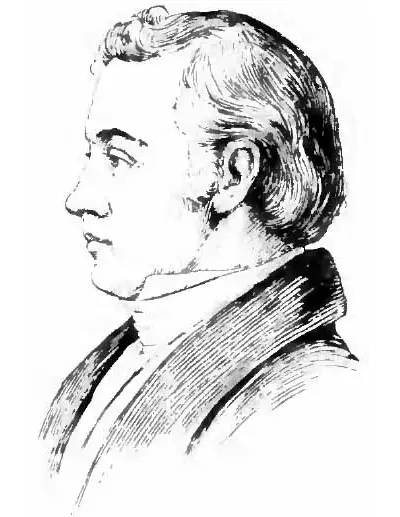
Elijah Parish Lovejoy was an American Presbyterian minister, journalist, newspaper editor, and abolitionist. He was shot and killed by a pro-slavery mob in Alton, Illinois, during their attack on the warehouse of Benjamin Godfrey and W. S. Gillman, where Lovejoy's press and abolitionist materials were stored.
