Louis Antoine de Saint-Just Quotes
I have not found a single good man in government; I have found good only in the people.
Louis Antoine de Saint-Just, 1767–1794, French Revolutionary Leader, Speech declaring the Minister of War, Charles François Dumouriez, a traitor, March 1793
Sourced by: Eigen's Political and Historical Quotations

See Charles James Fox, John Milton, Jeremy Bentham, George Mason, Grover Cleveland, Benjamin Disraeli and Woodrow Wilson for similar expressions of this idea.

Discussing alleged meager compensation for public service:

“Magistrate” historically has had a political meaning of the chief executive of a political entity. Mayors are still referred to as the “Chief Magistrate of the city.” The President is sometimes referred to as the “Chief Magistrate.” Lower magistrates can be political appointees who have power and responsibility for governing as well as judges of courts to whom the term “magistrate” refers in most modern references. The older use of the term harkens back to a time when there was no separation of powers and the assembly was the legislative, executive and judicial powers all at the same time.


This is the libertarian-conservative flip of the famous JFK quotation {589867}.


See Charles James Fox, John Milton, Jeremy Bentham, George Mason, Henry Clay, Benjamin Disraeli and Woodrow Wilson for similar expressions of this idea.

Referring to White House Chief of Staff Donald T. Regan who had resigned under pressure:
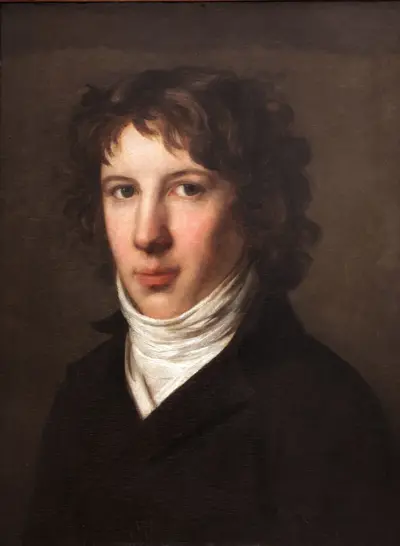
Louis Antoine Léon de Saint-Just was a Jacobin leader during the French Revolution. He was a close friend of Maximilien Robespierre and served as his most trusted ally during the period of Jacobin rule (1793–94) in the French First Republic. Saint-Just worked as a legislator and a military commissar, but he achieved a lasting reputation as the face of the Reign of Terror. He publicly delivered the condemnatory reports that emanated from Robespierre and the Committee of Public Safety and defended the use of violence against opponents of the government. He supervised the arrests of some of the most famous figures of the Revolution and saw many of them off to the guillotine. For his unyielding severity, later writers dubbed him the "Angel of Death".
