Elizabeth I Quotes
I am already bound unto an husband, which is the kingdom of England.
Marcus, Leah S., Janel Mueller, and Mary Beth Rose, eds. Elizabeth I: Collected Works. University of Chicago Press, 2000, p. 59.


Centuries later leaders have studied this speech and the actions taken by Elizabeth as the epitome of model leadership and morale building at a time of crisis. What made the event more dramatic were two monarchial norms of the time understood by all the citizens. Monarchs did not open themselves to the risk of very close proximity to their armies with only a handful of retainers. A dissident military commander could kill or capture the monarch as most soldiers had little loyalty to anyone but the commander who paid them. Second, monarchs usually abandoned battlefields where the outcome was uncertain and if not present certainly stayed away. Elizabeth in breaking both these norms was taking obvious risks with her own life (as a women for whom it was even more unexpected) and welfare to share the immediate fate of her subjects. It explains why an absolute monarch was extremely popular with her subjects—great leadership.

Although Queen Victoria was modern and liberal in many respects, the idea of self-determination by majority vote was unthinkable and certainly undesirable for her. She was not opposed to lands and peoples changing empires and peoples per se. It was how the decision was made that was critical to her. Sovereigns had been buying, selling, and trading lands and peoples for centuries. And after wars, the winners would also reallocate the kingdoms of the loser. But the idea of a democratic plebiscite making the decision was unacceptable. To her and many others of the day, power struggles between factions, politicians, and sovereigns themselves would cause them to inflame the passions of the people and/or bribe the people to vote to change their allegiance. She saw popular but possibly unscrupulous politicians “blackmailing” kings and queens and if payments from the treasury would not be made, the politician would stir up a movement to transfer allegiance to another sovereign who might well be willing to pay.


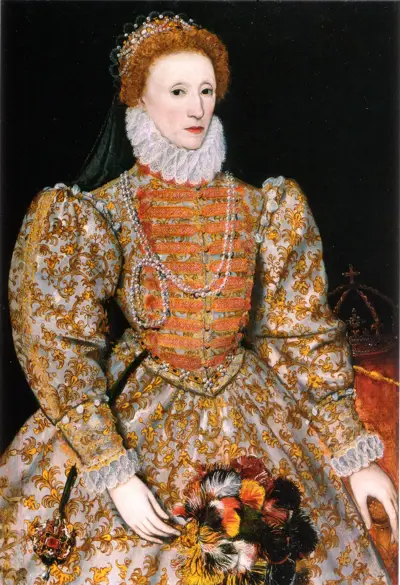
Elizabeth I was Queen of England and Ireland from 17 November 1558 until her death in 1603. Sometimes called the Virgin Queen, Gloriana or Good Queen Bess, Elizabeth was the last of the five monarchs of the House of Tudor.
