William Shakespeare Quotes
Go, bid the soldiers shoot.
Shakespeare, William. Hamlet. The Riverside Shakespeare, edited by G. Blakemore Evans, 2nd ed., Houghton Mifflin, 1997, Act 5, Scene 2.

See Prince Otto von Bismarck-Schoenhausen {632620} for a similar focus on "iron and blood". This is no coincidence as Lindemann had been the Captain of the Battleship Bismarck.


When southern states began seizing U. S. Government property, Dix ordered: Although Dix was a Democrat, he broke from his Southern colleagues over the slavery issue and sided with the Republicans on the war.


after Isabella’s & Ferdinand’s death. When he was Viceroy after the monarchs, he put down an attempt by some of the nobles to gain control when they asked by what authority he functioned, now that the monarchs who appointed him were dead.

The highest court in New York.

The general had reported to the Czar that he had peacefully dissipated a protesting mob without firing a shot. The Czar felt that the absence of shooting and killing protesters would simply encourage more protests. See {613675}.


A number of the American soldiers refused to obey Calley's illegal order. Some helped some villagers to escape, and a helicopter pilot landed betreen Callery's men and the villagers they were shooting at, and ordered his helicopter machine gun crew to fire on the soldiers if they did back off. The soldiers stopped firing at the civillians. However, his and other reports of the massacre were covered up by the military for a few years. Mai Lai was not the only major war crime perpetrated by Americans in the Vietnam War; there had been a few others. But given the years of fighting and the many opportunities war crimes violations under orders were quite rare. The Viet Cong had many more war crimes that they perpetrated, and our South Vietnamese allies repeatedly committed war crimes against their own people.


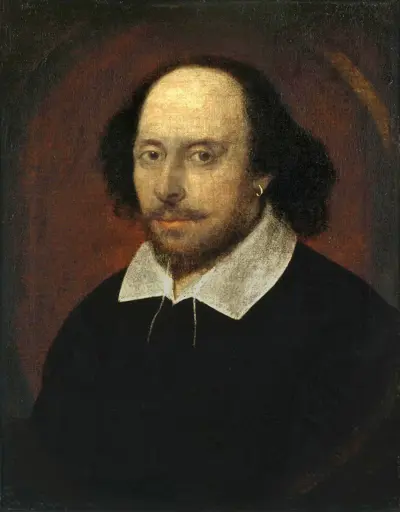
William Shakespeare was an English playwright, poet, and actor, widely regarded as the greatest writer in the English language and the world's greatest dramatist. He is often called England's national poet and the "Bard of Avon" (or simply "the Bard"). His extant works, including collaborations, consist of some 39 plays, 154 sonnets, three long narrative poems, and a few other verses, some of uncertain authorship. His plays have been translated into every major living language and are performed more often than those of any other playwright. They also continue to be studied and reinterpreted.
