Mark Helprin Quotes
'Freeing' a literary work into the public domain is less a public benefit than a transfer of wealth from the families of American writers to the executives and stockholders of various businesses who will continue to profit from, for example, 'The Garden Party,' while the descendants of Katherine Mansfield will not.
Helprin, Mark. "A Great Idea Lives Forever. Shouldn't Its Copyright?" The New York Times, The New York Times Company, 20 May 2007, p. 12.


Guthrie was one of the many people who used the copyright law to prevent someone else from restricting the information and allowing wide utilization of their proprietary material. This is sometimes called “copyleft.” This quotation collection is another example of copyrighted material with broad encouragement of utilization.


In America it used to be 26 years with a renewal for an additional 26 years. However, Mickey Mouse was about to go into the Public Domain, and Walt Disney and other large copyright holders lobbied to extend the copyright term to the life of the author plus 100 years. See {624751}.


In early America, the United States did NOT participate in the European International Copyright convention. The American purpose of copyright was not to protect authors and intellectual property owners, but to promote knowledge and culture. The original purpose was to limit the time during with an author could control his/her creative work so that the society as a whole can get maximum benefit. With the rise of large corporate intellectual property owners with strong lobbyists, they have been able to change the copyright law to greatly enlarge their time and methods of control. The Pirate Party wants to go back to the original intention of the Founding Fathers.


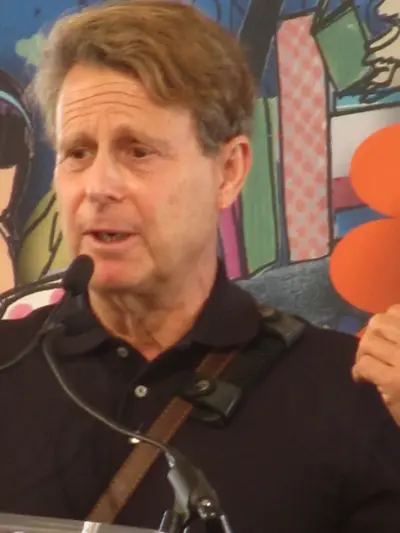
Mark Helprin is an American novelist, journalist, conservative commentator, Senior Fellow of the Claremont Institute for the Study of Statesmanship and Political Philosophy, Fellow of the American Academy in Rome, and Member of the Council on Foreign Relations. While Helprin's fictional works straddle a number of disparate genres and styles, he has stated that he "belongs to no literary school, movement, tendency, or trend".
