New York Times Quotes
Europeans have learned of the immense extent of our country and its limitless resources … They have also begun, or soon will begin, to learn of the Homestead law and provisions for securing to every man not only life, liberty and the freedom to pursue happiness but also the means of gaining an independent livelihood.
New York Times, Editorial, June 13, 1862
Sourced by: Eigen's Political and Historical Quotations

The railroads that opened up the West are often used as examples of American corporate and entrepreneurial achievement. But private enterprise would not risk the capital for such a visionary and innovative scheme. It was the Federal Government which provided loans to start and paid for every mile of track with huge grants of land along the right of way. Then the Federal government provided the security and conducted numerous wars against the Indians to make the construction and operation possible. Had the Government and President Lincoln not pushed and supported the plan, there would have been no transcontinental railroad.


While the economics of land is described accurately, immigrants from most of the world would never in their home country ever be able to earn enough in a few years to acquire that much land. So the prospect of land ownership was a fundamental selling point and was a major spur to immigration to America where land was and is plentiful.


Note that this opportunity to obtain very inexpensive public land was given not only to citizens, but to new immigrants as well provided they had filed their intention to become nationalized citizens. Loyalty was required however.

“those lands” referred to large tracts of public land that was unoccupied.

Segre was one of the group of European Scientists who emigrated to the United States and were key to the Manhattan Project developing the Atomic Bomb.


Bourne was one of the first writers with a national audience to question the classic but never real “melting pot” theory of immigration and suggest the “salad” model though he never used the term.


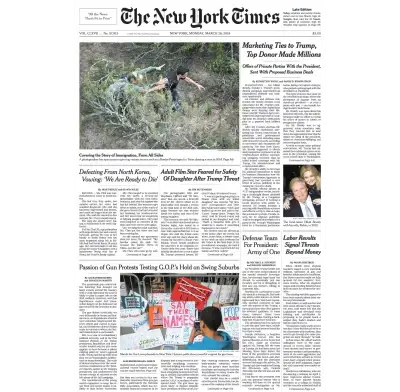
The New York Times (NYT or NY Times) is an American daily newspaper based in New York City with a worldwide readership. Founded in 1851, the Times has since won 130 Pulitzer Prizes (the most of any newspaper), and has long been regarded within the industry as a national "newspaper of record". It is ranked 18th in the world by circulation and 3rd in the U.S.
