Andrew Jackson Quotes
Equal opportunity for all, special privilege for none.
Andrew Jackson, 1767-1845, 7th President of the United States (Democrat, TN), Democratic Political Motto
Sourced by: Eigen's Political and Historical Quotations


The Prime Minister had begun his career as a proponent of apartheid, but by 1990 had reversed course.


Jackson was a great champion of equality and equal rights, but for whites only. He had no problem with Negro Slavery and had a major bias against Indians. He was the only U. S President to refuse to obey a decision of the Supreme Court when he forced the removal of the Cherokee Indians from their lands and forced them to the Oklahoma Territory.


The function of government is to


The power structure of England and the English administrators of South Africa were strong advocates of racial equality at the beginning of the 19th century. They insisted on equal administration of law. However the Boer white population could think of nothing more absurd. In a sense the Boers were much like the Southern Whites at the same time. The South African government however could not enforce its equality policies in the rural area – the majority of South Africa at the time. When democracy and self rule came to South Africa, the racially moderating force of the English was minimized and the majority of South Africans wanted a racially segregated society. Apartheid resulted.

While Hoover was generally correct, he was also of the opinion that providing equal opportunity was all that the government needed to do. His lack of attention to other economic variables and potential problems made him totally unprepared for the Great Depression which would occur the following year and his narrow view of the role of government provided no relief or improvement as those of his successor FDR did.

Clinton was reacting to questioning about gays in the military.


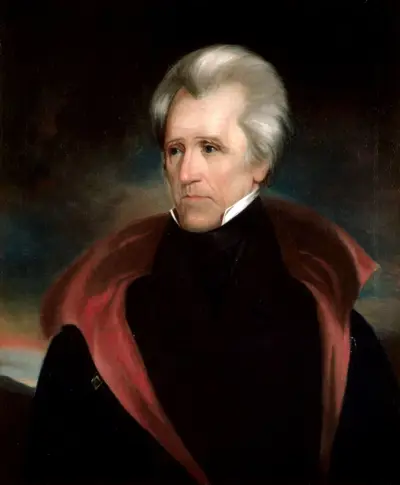
Andrew Jackson was an American lawyer, soldier, and statesman who served as the seventh president of the United States from 1829 to 1837. Before being elected to the presidency, Jackson gained fame as a general in the United States Army and served in both houses of the U.S. Congress. An expansionist president, Jackson sought to advance the rights of the "common man" against a "corrupt aristocracy" and to preserve the Union.
