Pierre-Joseph Proudhon Quotes
I build no system. I ask an end to privilege, the abolition of slavery, equality of rights, and the reign of law. Justice, nothing else; that is the alpha and omega of my argument: to others I leave the business of governing the world.
Pierre Joseph Proudhon, 1809-1865, French Journalist & Socialist Politician, Member of the Constituent Assembly, Father of Anarchism What is Property? 1840
Sourced by: Eigen's Political and Historical Quotations


He was one of those arguing for tha nation to award every American 15 pounds upon reaxhing the age of 18, This would allow the young man (it is not clear that this applied to females as well) to buy a basic start in life. A houirse, a gun, and the ability to buy a small plot of land. The proposal got lost in the events of the Revolution. The ancient middle age Jews had a custom whereby when a young man reached the age of 13, and could demonstrate that he was literate, and familiar with the Torah (1st 5 Books of the Old Testament which was for them the "law", he would be given gifts by his relatives and often the comminithy or congregation as a whole, so taht he had the wherewithall to start an adult life. Many of the founding fathers were very familiar with the Ancient Jewish Republic and some adopted a version of this.]


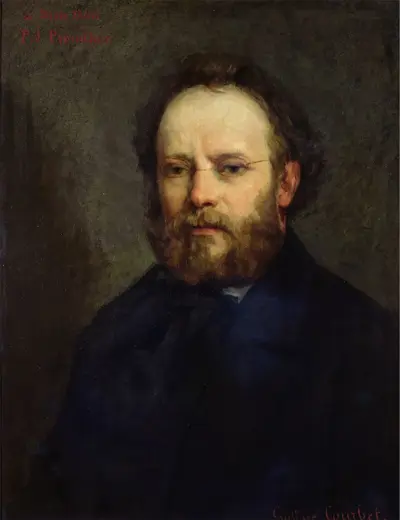
Pierre-Joseph Proudhon was a French socialist, politician, philosopher, economist and the founder of mutualist philosophy. He was the first person to declare himself an anarchist, using that term and is widely regarded as one of anarchism's most influential theorists. Proudhon is considered by many to be the "father of anarchism". Proudhon became a member of the French Parliament after the Revolution of 1848, whereafter he referred to himself as a federalist. Proudhon described the liberty he pursued as "the synthesis of communism and property". Some consider his mutualism to be part of individualist anarchism while others regard it to be part of social anarchism.
