Mario Vargas Llosa Quotes
Do the rhetorical quarrels of bourgeois political parties have anything to do with the interests of the humble and downtrodden?
Mario Vargas Llosa, Peruvian Writer & Politician, The War at the End of the World, 1981
Sourced by: Eigen's Political and Historical Quotations


Salisbury was a brilliant, effective prime minister, but he was a snob and not a democrat. See {639131}.


Bryan's concept of struggling masses included farmers and small businessmen.

Ideologues often use the tactic of opposing everything the government does—even if they would support it intellectually. The main issue for them was to win the class warfare, and the move to that end by never giving the government credit for anything or sharing power or cooperating in any way. This is not just a tactic of the left. The Tea Party Conservative Republicans adopted the same tactics with the Barack Obama Democratic Administration.


This novel won the Booker Prize—one of the great achievements in literature.


Gingrich was one of the most polarizing political figures of his era. He conflated liberals with intellectuals, and people he called “elites” creating a form of class warfare where the class divisions were educational and cultural instead of socioeconomic.


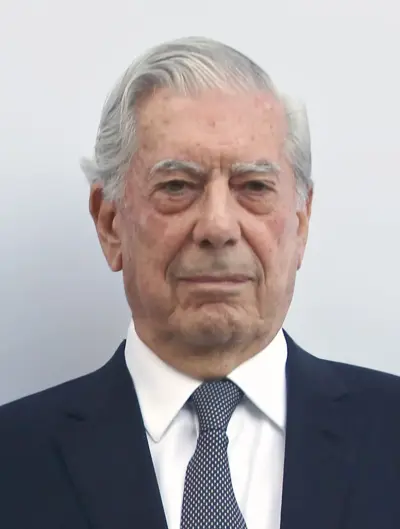
Jorge Mario Pedro Vargas Llosa, 1st Marquis of Vargas Llosa, more commonly known as Mario Vargas Llosa (/ˈvɑːrɡəs ˈjoʊsə/; Spanish: [ˈmaɾjo ˈbaɾɣas ˈʎosa]), is a Peruvian writer, journalist, essayist, college professor, and a former politician. Vargas Llosa is one of Latin America's most significant novelists and essayists, and one of the leading writers of his generation. Some critics consider him to have had a larger international impact and worldwide audience than any other writer of the Latin American Boom. In 2010 he won the Nobel Prize in Literature, "for his cartography of structures of power and his trenchant images of the individual's resistance, revolt, and defeat."
