Charles Trevelyan Quotes
Dependence on Charity is not to be made an agreeable mode of life.
During the Potato Famine in Ireland his philosophy led him to do little or nothing while over a million Irish starved. The philosophy was later echoed by American President Herbert Hoover during the Great Depression except that the situation was not so bad, and a much smaller percentage of the population was starving. The moral hazard question is still argued whenever welfare, unemployment insurance and social safety nets are politically debated, moral hazard is still an issue. Trevelyan was at an extreme, inhumane posture on this point, with Hoover about in the center for his time, but the Potato Famine and the Great Depression changed Ireland, England, the United States and most of the rest of the world, and now the debate is to the extent of the welfare and methods of ameliorating the moral hazard.
Charles Trevelyan, 1807–1886, British Colonial Administrator, Official in charge of Relief in the Irish Potato Famine Quoted in New York Times, March 20, 2014
Sourced by: Eigen's Political and Historical Quotations

This fiery statement got Mitchel sent to a penal colony in Australia from which he escaped and came to the United State. It was essentially true. Despite the potato famine in much of Ireland, there was a constant supply of different foods exported from Ireland to England. There were many ways that they Irish could have had food, but they all required some money and there was a massive depression with many Irish out of work and also unable to grow potatoes. The “political philosophy” of the English rulers of Ireland however precluded any kind of welfare, relief or food assistance—see {636214}.


This proverb is a succinct statement of one governmental philosophy of coping with poverty and hardship. It is often uttered when compassion takes the form of intangibles, prayer, advice, training, and search for root causes.


Quoted by Jack Kemp in Senate Hearing, June 3, 1992

Mormons have been divided on this issue. Many Mormons do accept welfare, and government subsidies for agriculture and other business corporate welfare and some hold with Benson’s view and would not accept for example agricultural subsidies for not growing crops. Ironically, Benson, as the Secretary of Agriculture, presided over the nation’s largest give-away program for not working: agricultural subsidies. However, this statement was made after his government service and was made as President of the Mormon Church.

Samuel Langhorne Clemens, 1835-1910

For many religions and ethical systems, it is better to have personal contact with the recipient of charity than to give money.

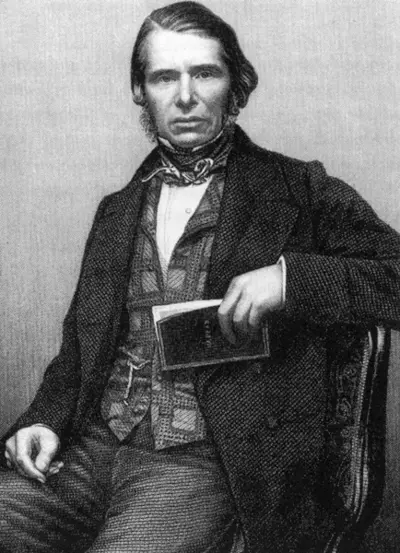
- Born: April 2, 1807
- Died: June 19, 1886
- Nationality: British
- Profession: Civil Servant, Colonial Administrator
Sir Charles Edward Trevelyan, 1st Baronet, KCB was a British civil servant and colonial administrator. As a young man, he worked with the colonial government in Calcutta, India; in the late 1850s and 1860s he served there in senior-level appointments. Trevelyan was instrumental in the process of reforming the British Civil Service in the 1850s.
