Ezra Taft Benson Quotes
Last year in the United States alone over $98 billion was distributed in unearned government transfer payments and other aid to millions of men and women who most often did nothing for what they received. This character-weakening government dole is repeated in almost every nation of the world. We encourage Latter-day Saints everywhere to remain free of government assistance. Work for what you receive.
Mormons have been divided on this issue. Many Mormons do accept welfare, and government subsidies for agriculture and other business corporate welfare and some hold with Benson’s view and would not accept for example agricultural subsidies for not growing crops. Ironically, Benson, as the Secretary of Agriculture, presided over the nation’s largest give-away program for not working: agricultural subsidies. However, this statement was made after his government service and was made as President of the Mormon Church.
Ezra Taft Benson, 1899-1994, United States Secretary of Agriculture (Republican), Mormon Apostle & President of The Church of Jesus Christ of Latter-day Saints, “Ministering to Needs through the Lord’s Storehouse System,” Ensign, May 1977
Sourced by: Eigen's Political and Historical Quotations


This clause is an interesting combination of liberal and conservative ideas. The former was the fact that it was the society’s obligation to provide jobs for the willing workers and welfare for the needy. At the same time, there was to be no assistance to the people who would not work—a classic conservative welfare reform.

This point of of view is actually held by a significant number of conservative Americans. They believe that welfare actually causes the inability of the very poor to get ahead. However, almost no people who have been recipients of welfare, including those who not only emerged from poverty but became wealthy and distinguished, agreed with them. The Congressman was silent about all the companies and wealthy individuals who regularly take corporate welfare and subsidies from the government and who do not seem to be negatively affected.

In the early colony of Liberia each man was supposed to work 2 days a week for the community in exchange for public stores. Ashmun was the agent of the colonial society that provided funds to get the colony started, but he became a political issue. While many of the whites of the Colonial Society were abolitionists, many others were not and just wanted to get rid of free Blacks. Ashman however was an outspoken foe of the slave trade and the latter group, in retaliation for his public attacks on the slave trade, withdrew their ‘confidence” in him and refused to honor his bank drafts or even to provide funds for his subsistence and remuneration. The colony was thus in chaos, and a number of men went on a work strike in protest of the political fight in the society affecting them. To prevent complete chaos and maintain some unity and discipline in the colony, Ashmun issued this order. Things calmed down in the colony but the society continues its politicking with different views on slavery the cause of the strife.


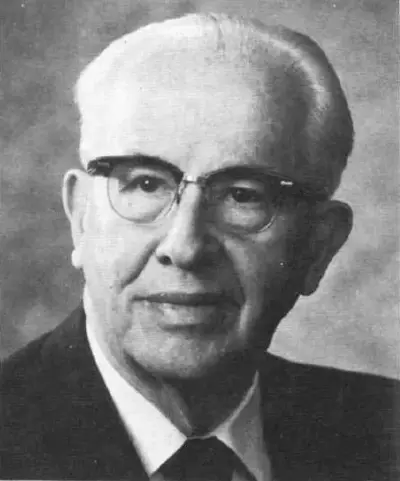
Ezra Taft Benson was an American farmer, government official, and religious leader who served as the 15th United States Secretary of Agriculture during both presidential terms of Dwight D. Eisenhower and as the 13th president of The Church of Jesus Christ of Latter-day Saints (LDS Church) from 1985 until his death in 1994.
