Ambrose Bierce Quotes
Conservative: A statesman who is enamored of existing evils, as distinguished from the Liberal, who wishes to replace them with others.
Ambrose Bierce, 1842-1914?, Journalist & Political Columnist, The Devil's Dictionary, 1906
Sourced by: Eigen's Political and Historical Quotations

Actually, there have been “paranoid” fear of opposition political viewpoints in America very often. In the early days of the Republic, the Federalists main concern was not England or other foreign enemies, but Jefferson’s Democratic Republicans. And those Jeffersonians were absolutely convinced that the greatest danger to America was the Federalists who would bring back a monarchy if they could. The Jacksonians triggered a similar polarization. The Civil War stemmed from this extreme. Even America’s most popular President, Franklin Delano Roosevelt, who was elected to 4 successive terms, was perceived as the major “enemy” of America along with his wife Eleanor and the other New Dealers.

So far as he was concerned, Republican moderates—his own party members—were liberals. Anyone who did not support the extreme Conservative agenda, was an enemy and a liberal. He and the Tea Party drove almost all the moderate Republicans out of the party.


Sorenson was hired for the future president.

What if you are a conservative in a liberal environment? Then what you are conserving is liberalism.
His reference was to his experience as an undergraduate at Dartmouth, which he and associates views as a liberal organization, while others viewed it as a conservative bastion of the establishment.


Over time, this has been a good description of the difference between the Democratic and Republican parties.


Goldwater was the Republican Nominee for President and Kilpatrick a Journalist & Columnist. Both were leading conservatives of their time.


At the time most conservatives were very angry and hostile to liberals and attacked those who disagreed with them.


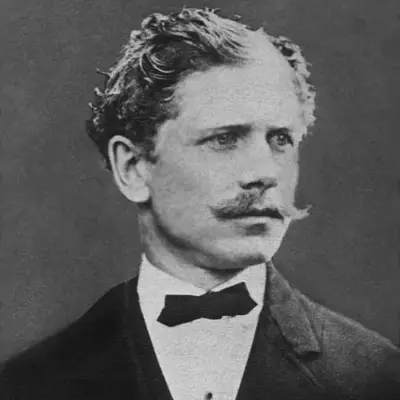
Ambrose Gwinnett Bierce was an American short story writer, journalist, poet, and Civil War veteran. His book The Devil's Dictionary was named as one of "The 100 Greatest Masterpieces of American Literature" by the American Revolution Bicentennial Administration. His story "An Occurrence at Owl Creek Bridge" has been described as "one of the most famous and frequently anthologized stories in American literature"; and his book Tales of Soldiers and Civilians (also published as In the Midst of Life) was named by the Grolier Club as one of the 100 most influential American books printed before 1900.
