William Graham Sumner Quotes
Civil liberty is the status of the man who is guaranteed by law and civil institutions the exclusive employment of all his own powers for his own welfare.
Sumner, William Graham. What Social Classes Owe to Each Other. Harper & Brothers, 1883, p. 34.

He had been a Congressman before assuming the Presidency. Civil rights was a major subject of debate after the Civil War. One major issue was that of citizenship itself. Many contended that Americans were citizens of a state and dependant on the state for the protection of civil rights. However, the extent to which the Federal government could and should be the guarantor of citizenship issues was in dispute. Today with the issue settled in favor of Federal preeminence, it is hard to realize that this was very unsettled at one point in history. Garfield was one of those leading the effort for more Federal involvement and control.


This quotation has been used by gay rights advocates. Opponents argue that a gay lifestyle is not “innocent” in that it is Biblically prohibited. This brings the issue of separation of church and state into the argument.


Catherine II—the Great—appointed a commission to suggest model laws for Russia based on some of the principles of the European Enlightenment. The laws were never officially adopted but they are interesting in that they were the product of “liberal” thinking at the time. This particular definition of “liberty” is similar to that ruse in many country’s modern constitutions which will “guarantee” a right like freedom of speech so long as it does not violate any laws.

This statement summarized what had been a basic principle of American Law as derived from English law. See {587704}.

See {587703} for a similar statement by a Supreme Court Justice.


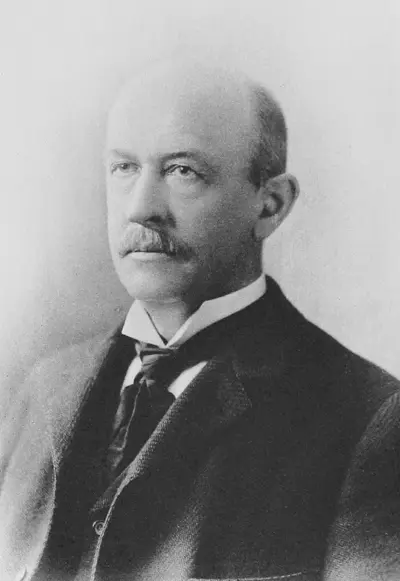
William Graham Sumner was a classical liberal American social scientist. He taught social sciences at Yale, where he held the nation's first professorship in sociology. He was one of the most influential teachers at Yale or any other major school. Sumner wrote widely within the social sciences, with numerous books and essays on American history, economic history, political theory, sociology, and anthropology. He supported laissez-faire economics, free markets, and the gold standard. He adopted the term "ethnocentrism" to identify the roots of imperialism, which he strongly opposed, and as a spokesman against it he was in favor of the "forgotten man" of the middle class, a term he coined. He had a long-term influence on conservatism in the United States.
