Rose Schneiderman Quotes
But every time the workers come out in the only way they know to protest against conditions which are unbearable the strong hand of the law is allowed to press down heavily upon us.
Schneiderman, Rose. Speech at the Metropolitan Opera House, 2 Apr. 1911, New York. Quoted in "The Triangle Fire Memorial Meeting." The Survey, vol. 26, 8 Apr. 1911, p. 84.


Sinclair had written an expose of the meat packing industry – the Jungle – which used as its setting the Armour meat packing factory. It changed the way the public thought about the industry, the role of government and regulation. President Roosevelt took up the reform role, and got Congress to Regulate the quality and cleanliness of the meat packing industry. Sinclair, however not only wanted that reform, but also wanted the labor wages and conditions reformed. He referred to the Armour plant as the fortress.


At the time many workers lived in housing owned by their employer. When the Pullman company had a labor dispute, they not only locked the workers out of their jobs but evicted them from their meager housing.

The Whites were the old nobility and conservatives who, after the Czar had been deposed, fought a civil war for control of Russia against the Reds—the Bolsheviks. The Whites were allied with the Cossacks, a particularly vicious, and cruel groups of traditional cavalry who previously had done much of the Czar’s dirty work. They were responsible for most of the Anti-Semitic pogroms, and their affiliation with the Whites pushed most Jewish Russians to the Reds.


See {616053}. The strike was broken by jailing one of the main leaders.


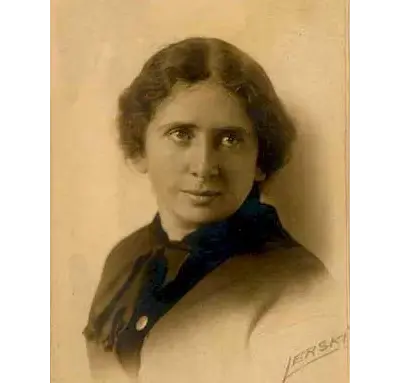
Rose Schneiderman was a Polish-born American socialist and feminist, and one of the most prominent female labor union leaders. As a member of the New York Women's Trade Union League, she drew attention to unsafe workplace conditions, following the Triangle Shirtwaist Factory fire of 1911, and as a suffragist she helped to pass the New York state referendum of 1917 that gave women the right to vote. Schneiderman was also a founding member of the American Civil Liberties Union and served on the National Recovery Administration's Labor Advisory Board under President Franklin D. Roosevelt. She is credited with coining the phrase "Bread and Roses," to indicate a worker's right to something higher than subsistence living.
