Fred Korematsu Quotes
As long as my record stands in federal court, any American citizen can be held in prison or concentration camps without a trial or a hearing.
Korematsu, Fred. Statement to the U.S. District Court of Northern California, 10 Nov. 1983. Quoted in Irons, Peter, editor. Justice Delayed: The Record of the Japanese American Internment Cases. Wesleyan University Press, 1989, p. 235.


Even in the United States, there have been occasions where this has happened such as the Japanese American internment in WWII, and the George W. Bush Administrations actions in fighting the War on Terror. Yew was in opposition at the time he made this famous statement. 30 years later when he was the Prime Minister, he had a different view. See {585201}.


Major Fleener had been assigned to defend accused terrorists who were being held at the military prison in Guantanamo, Cuba. For several years they were held without a hearing or trial. Then the U. S. Supreme Court ruled that they had to be given a hearing or trial. A Military tribunal was selected. The methods and procedures of these hearings came under much public world-wide criticism as they did not meet the normal legal standards of most countries. Surprisingly, one of the military officers made public statements criticizing the army and the trials.


Mosley had been incarcerated without charges or trial under the “national emergency” of the Second World War. This prevented him from organizing his “Blackshirts.” When it was clear that Germany would lose the war, Oswald was released, but without the prospect of Fascism dominating continental Europe, there was little interest in Fascist movements in England.


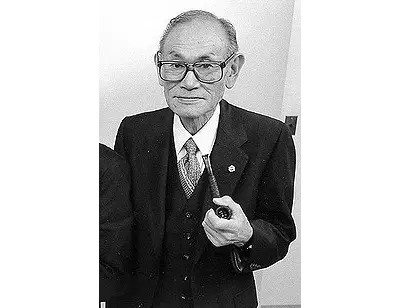
Fred Toyosaburo Korematsu was an American civil rights activist who objected to the internment of Japanese Americans during World War II. Shortly after the Imperial Japanese Navy launched its attack on Pearl Harbor, President Franklin D. Roosevelt issued Executive Order 9066, which authorized the removal of individuals of Japanese ancestry living on the West Coast from their homes and their mandatory imprisonment in internment camps, but Korematsu instead challenged the orders and became a fugitive.
