Joe Slovo Quotes
As a result, ways out of the crisis are being intensively searched for at all levels - ways, which, however, aim at maintaining the whites' control over the country.
Slovo, Joe. "Interview with Joe Slovo." Horizont, vol. 19, 1986.


Early in his career Grant was a young lieutenant assigned to a Western outpost. His wife was worried about the Indians.


During the slavery era, the Southern slave holders and politicians were always fearful of the possibility of slave uprisings. In most cases, they were dealt with locally with little attempt to share the information lest other slaves be motivated to follow the practice. In addition many of the slave rebellions of very small groups and individuals were not treated as a slave revolt or protest but was considered the act of a “bad apple” that was dealt with. Further, as much as the slave owners feared slave revolts, they also had a large investment in their slaves and executing all who might have supported a rebellion of a few could cost them a great deal of money or even bankrupt them. Therefore there was always a tendency to kill the leaders but provide lesser punishment for the others so that they could survive and return to work. All these factors have made it very difficult to accurately estimate the extent of slave revolts and protests in the ante-bellum South.

He was concerned about what would happen if Georgia allowed slavery. In addition to all the other concerns—see the related quotes—he had, he was concerned that the slave traders (he used the term “Negro Merchants”.) would dominate the economy and place slaves in all the working jobs leaving “leaving nothing for all the laboring poor white Men”.

†he Congressman came under tremendous pressure from people all over the country including many political Republican colleagues. The next evening he appears on a CNN interview an apologized. What made his statement all the more absurd was that many of the protesters were upper and middle class people angry at yet another police killing of Black men—a pattern that had come to light in the [previous months. In addition, many of the demonstrators were white.


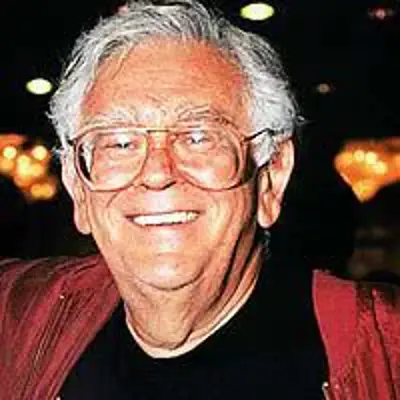
Joe Slovo was a South African politician, and an opponent of the apartheid system. A Marxist-Leninist, he was a long-time leader and theorist in the South African Communist Party (SACP), a leading member of the African National Congress (ANC), and a commander of the ANC's military wing Umkhonto we Sizwe (MK).
