June Jordan Quotes
We do not deride the fears of prospering white America. A nation of violence and private property has every reason to dread the violated and the deprived.
Jordan, June. Civil Wars. Beacon Press, 1981, p. 46.


He was concerned about what would happen if Georgia allowed slavery. In addition to all the other concerns—see the related quotes—he had, he was concerned that the slave traders (he used the term “Negro Merchants”.) would dominate the economy and place slaves in all the working jobs leaving “leaving nothing for all the laboring poor white Men”.


†he Congressman came under tremendous pressure from people all over the country including many political Republican colleagues. The next evening he appears on a CNN interview an apologized. What made his statement all the more absurd was that many of the protesters were upper and middle class people angry at yet another police killing of Black men—a pattern that had come to light in the [previous months. In addition, many of the demonstrators were white.

Johnson was the first Black man who won the heavyweight championship at a time when racism in America was rampant. Many whites referred to Jeffries as “The Great White Hope” who would take the champion back for the whites. He didn’t and was beaten badly.


In Malaysia despite some of the world’s most racist laws against the ethnic Chinese, they still retain a disproportionate share of the wealth. The racist laws an the county’s notorious corruption have ironically produced a small Malay group of tycoons whose exploitation of the masses is notorious. They are protected by the government however as many are related to officials and their families, but logic such as this is actually publicly expounded to defend the situation.


The Supreme Court had ruled that there could be no limits placed on the amount of money that could be spent by a rich company or person to campaign for a candidate. It would deny them their right to freedom of speech. That was the context of Hollings’ remark.

Robert Allen Zimmerman

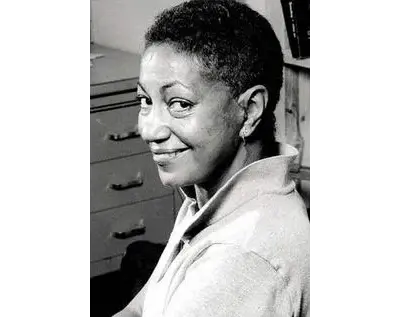
June Millicent Jordan (July 9, 1936 – June 14, 2002) was a Jamaican American, bisexual poet, essayist, teacher, and activist. In her writing she explored issues of gender, race, immigration, and representation.
