Edward Gibbon Quotes
An absolute monarch, who is rich without patrimony, may be charitable without merit; and Constantine too easily believed that he should purchase the favour of Heaven if he maintained the idle at the expense of the industrious, and distributed among the saints the wealth of the republic.
Gibbon, Edward. The History of the Decline and Fall of the Roman Empire. Vol. 2, W. Strahan and T. Cadell, 1781.


Although extremely enlightened and liberal in man ways, as an autocrat she saw virtues in monarchy.

Spinoza’s ideas were considered so radical and dangerous that he was the only man in history who was excommunicated by the Catholics, the Jews and the Muslims.


This concept was later formalized in British law. See Blackstone.

See {43619} for a contradictory view of the Emperor.


She was Queen of Scotland and claimed the English throne as well. While Elizabeth I was on the throne of England, Mary claimed that the court had no jurisdiction over an absolute monarch. Her son was in France at the time but eventually succeeded to the Scottish throne as James VI and the English throne as James I.

Province of the Congo. Both the British and the Belgians were vying for Katanga to become a part of their empire. Msri, a cruel tyrant, was hated by his people, many of whom he had had murdered.

The priest had come to the Empress to complain about the debauchery of her Prime Minister and made the error of describing him as the first man of the empire. The story may be apocryphal but it illustrates the character of the Empress. The source of the exact words are given in the historical novel, Luise Muhlbach, Joseph II. and His Court

Originally it was published in Boston under the name “A Columbian Patriot.”
This was quite unusual at the time when Kings were more interested in buying the loyalty and support of the rich and powerful nobles.


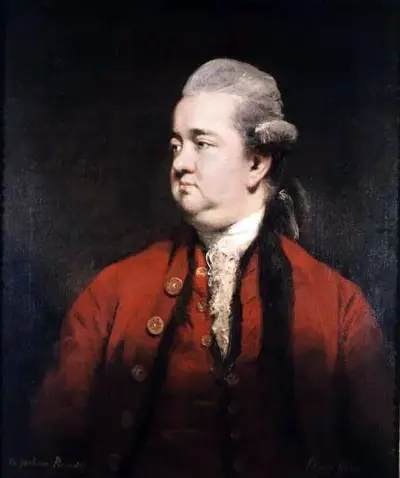
Edward Gibbon FRS was an English historian, writer and Member of Parliament. His most important work, The History of the Decline and Fall of the Roman Empire, was published in six volumes between 1776 and 1788 and is known for the quality and irony of its prose, its use of primary sources, and its polemical criticism of organised religion.
