Thomas Frank Quotes
Allowing a private rather than a public entity to take over your toll road merely means that your tolls will have to be that much higher to cover their more expensive debt.
Frank, Thomas. "The True Chicago Way." The Wall Street Journal, 22 Apr. 2009.


FDR had envisioned a national highway system. He had taken a map of the United States and drew three horizontal lines across the country and another three vertical lines running North to South. These he envisioned as a national highway system. The Second World War intervened with all men and material devoted to the war effort, highway ideas were all on the back burner. After the war President Dwight Eisenhower, in one of the great presidential achievements of American history, initiated the Federal National Highway System. The main difference was a reversal of the classic party positions. Democrat Roosevelt had planned to have the users pay for much or part of the construction and maintenance, while Republican Eisenhower accepted the entire burden on the general taxpayers and tolls and usage fees were banned on Federal Highways.


The major revenue of the Federal Government had initially been import duties. (There was no income tax then.) The sale of the vast public lands turned out to be another Federal income source.

This was a typical argument in the 2012 battle between President Obama and the Republican conservatives. However, this was written 35 years earlier, when the exact same issue was polarizing politicians. The idea for taxing the rich more to reduce the deficit has been around since there was a Federal deficit. On most occasions the rich had enough political clout to avoid additional taxes for them and get the general public to pay instead of them. However, there have been times where they have not been able to avoid increased taxes. The New Deal lead by Franklin Delano Roosevelt and the Obama administration in 2013 were two such exceptions.

Von Mises was one of the few right wing conservatives who would admit that private business could not operate government functions well. It was the very nature of government service and operation which makes its operation inimical to profit making business practices and methods.

This Republican mantra has been central for the Republicans for the entire century after Theodore Roosevelt who thought that business had to be regulated and controlled. The same basic speech has been given by conservative Republicans ever since.

Privatizing Social Security was the main piece of proposed legislation of George W. Bush’s second term. It was a conservative mantra for several years. It was finally defeated by a grass roots campaign of what Bush and his supporters referred to as scare tactics—projecting what might happen if the plan were implemented and the stock market went down substantially. With the Meltdown of 2008, the market crashed and this is what Galbraith is referring to. It would have been much worse than any of the privatization opponents had suggestion that even the staunchest economic conservatives would no longer advocate for privatizing Social Security. It was never even suggested in the Republican-controlled House of Representatives of 2012-2013.


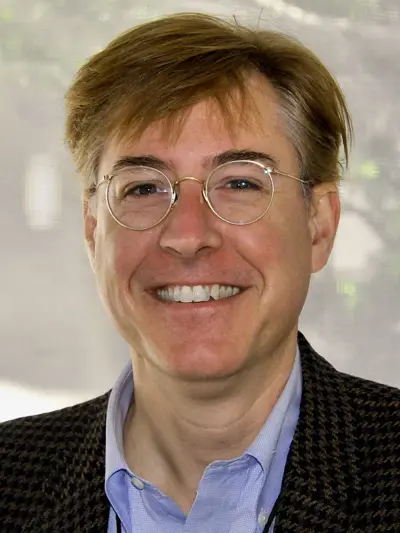
Thomas Carr Frank is an American political analyst, historian, and journalist. He co-founded and edited The Baffler magazine. Frank is the author of the books What's the Matter with Kansas? (2004) and Listen, Liberal (2016), among others. From 2008 to 2010 he wrote "The Tilting Yard", a column in The Wall Street Journal.
