Ulrich Beck Quotes
All theory of modernity in sociology suggests that the more modernity there is, the less religion. In my theory we can realize that this is wrong: atheism is only one belief system among many.
Beck, Ulrich. A God of One's Own. Polity Press, 2010.


The Ataturk reforms modernized Turkey and turned it into the most modern and democratic of the Islamic countries. However, there were always forces and populist governments that tried to erode the Ataturk reforms—especially secularism.


Pen name: Jack Nipps. Leland was a Baptist evangelist who had worked with Thomas Jefferson and James Madison to secure Freedom of Conscience in Virginia. Many people think that ideas such as this are the views of irreligious men and women, but Leland was a devout, evangelical Baptist and Baptists suffered discrimination in early Colonial America. Freedom of conscience was essential for all religions who were not in the local majority. Tolerance essential. See 43,065.


Spinoza’s ideas were considered so radical and dangerous that he was the only man in history who was excommunicated by the Catholics, the Jews and the Muslims.


Alfonso the Learned. He personally wrote a History of Spain up to the time.

France, like the other European nations had suffered through the bloodbaths and civil and other wars including the Protestant Reformation, the Holocaust and others. They. like the Untied States chose a separation of church and state—a secular government to combat the inner and intrareligious bloodbaths that have historically killed millions.
The modernity of this ancient leader is striking. For another example see his view on the importance of engendering supportive public opinion: XXX


This was a remarkable public statement for its time. No other political leader of an Islamic country would dare claim that people have a right to be atheists. Very few would even suggest that people should be free to choose their own religion.
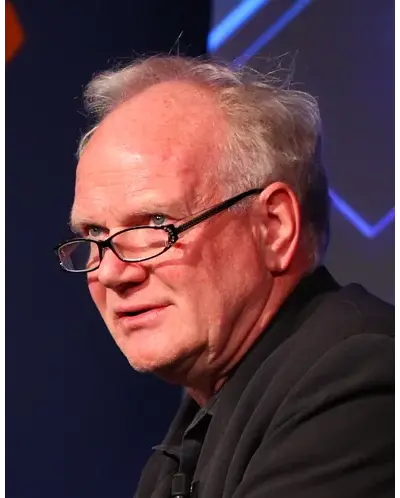
Ulrich Beck was a well known German sociologist, and one of the most cited social scientists in the world during his lifetime. His work focused on questions of uncontrollability, ignorance and uncertainty in the modern age, and he coined the terms "risk society" and "second modernity" or "reflexive modernization". He also tried to overturn national perspectives that predominated in sociological investigations with a cosmopolitanism that acknowledges the interconnectedness of the modern world. He was a professor at the University of Munich and also held appointments at the Fondation Maison des Sciences de l’Homme (FMSH) in Paris, and at the London School of Economics.
