David Hume Quotes
After the subjection of Ireland by [Queen] Elizabeth, the more difficult task still remained; to civilize the barbarous inhabitants, to reconcile them to law and industry Ulster, from being the most wild and disorderly province of all Ireland, soon became the best cultivated and most civilized.
David Hume, 1711-1776, Scottish Philosopher & Historian, The History of Great Britain, 1780
Sourced by: Eigen's Political and Historical Quotations


He was one of the strongest English advocates of colonization of the New World


After Turkey’s defeat in WWI, some Turkish leaders like Riza Nur wanted Turkey to become a colony of America. This they believed would hasten Turkey’s development and modernization.


Although both of his historical African successes have been successful, most of the leaders argue that the vestige of colonialism was the biggest obstacle and but for the colonial history, they would be much further ahead than they are.

The Irish Earls of Ulster, after a failed rebellion against English rule, fled to the European continent. As Chichester realized, this created an opportunity for the King to name new Earls and grant them the lands and possessions of the Earls who had fled. And since the Irish people were loyal to their traditional Earls. He suggested that English and Scots colonists be recruited to settle the lands. The King agreed and referred to the project as the “Ulster Plantation”. This was the reason that Northern Ireland had a much larger Protestant population percentage than the rest of Ireland and wanted to remain part of England when Ireland obtained its independence.

Earl of Cromer

In China, the religious activities of the Missionaries never really lead to the many troubles between the missionaries and the Chinese. It was their activities in the non-religious arenas articulated here by Denby.


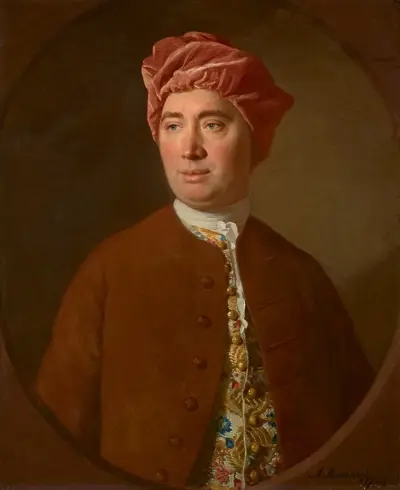
David Hume, Hume strove to create a naturalistic science of man that examined the psychological basis of human nature. Hume argued against the existence of innate ideas, positing that all human knowledge derives solely from experience. This places him with Francis Bacon, Thomas Hobbes, John Locke, and George Berkeley as a British Empiricist.
