Mark Twain Quotes
A private should preserve a respectful attitude toward his superiors, and should seldom or never proceed so far as to offer suggestions to his general in the field. If the battle is not being conducted to suit him, it is better for him to resign. By the etiquette of war, it is permitted to none below the rank of newspaper correspondent to dictate to the general in the field.
Twain, Mark. Mark Twain's Speeches. Harper & Brothers, 1910.


Miles, a hero of the Indian Campaigns (although he led the atrocities at the massacre at Wounded Knee) and then the leading military figure in America was an opponent of the policies of the new young President and had political aspirations of his own for the Presidency. Miles’ opinions were printed in the press. He maintained that he was not speaking as the Commanding General of the Army but personally as a citizen. The President surprised almost all by publicly scolding and reprimanding Miles when he next came to the White House. Five days later Roosevelt made the reprimand official, effectively ending Miles career. The issue of when senior military officers can criticize the administration has been debated ever since. Roosevelt was also a war hero himself, and although the military was shocked by such “savage” treatment of a senior officer, the President had public opinion on his side. Every decade or so there is a military official who does not care for the administration’s policies and expresses himself publicly. President Truman’s firing to General Douglas Macarthur was the most dramatic case, but Truman was well aware of the Miles and TR precedent.


Lawrence of Arabia


Kleinst, one of the guilty war criminals, is here quoted with the defense that most Nazi war criminals uses—namely that they were obeying orders. But international law makes no distinction between military and political orders, and it is the obligation of a soldier to refuse to obey an illegal military order and the orders he obeyed were illegal and contrary to International law—an order to kill babies and young children can never be legal for example.


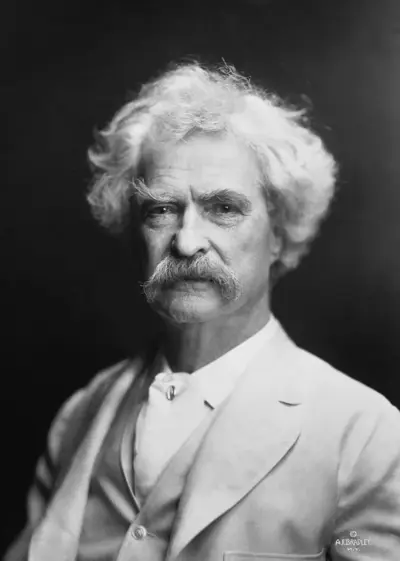
Samuel Langhorne Clemens, known by his pen name Mark Twain, was an American writer, humorist, entrepreneur, publisher, and lecturer. He was lauded as the "greatest humorist the United States has produced," and William Faulkner called him "the father of American literature". His novels include The Adventures of Tom Sawyer (1876) and its sequel, the Adventures of Huckleberry Finn (1884), the latter often called "The Great American Novel".
