Dick Gregory Quotes
A man does not have to like me to work by my side, or in my employ or to be my next-door neighbor. But he does not have the right to limit my opportunities for employment or my choice of housing.
Dick Gregory, Comedian & Author, Write-in candidate for President, 1968, Write Me In, 1968
Sourced by: Eigen's Political and Historical Quotations


As hard as it is for us to imagine today, while her husband was President of the United States, the First Lady wrote a nationally syndicated newspaper column every single day with politics frequently the subject. While she usually agreed with the President, there were occasions where they seemed to not see things exactly the same. She tended to be more liberal than he. However, there were those who believed that when she criticized politicians, it was with FDR’s knowledge and blessing and she sometimes did his “dirty work.” Eleanor Roosevelt was one of the most influential people in the country—certainly more-so than any First Lady before and since.

While Hoover was generally correct, he was also of the opinion that providing equal opportunity was all that the government needed to do. His lack of attention to other economic variables and potential problems made him totally unprepared for the Great Depression which would occur the following year and his narrow view of the role of government provided no relief or improvement as those of his successor FDR did.


Jackson was a great champion of equality and equal rights, but for whites only. He had no problem with Negro Slavery and had a major bias against Indians. He was the only U. S President to refuse to obey a decision of the Supreme Court when he forced the removal of the Cherokee Indians from their lands and forced them to the Oklahoma Territory.


Commenting on allowing gays to serve in the military:

The Prime Minister had begun his career as a proponent of apartheid, but by 1990 had reversed course.


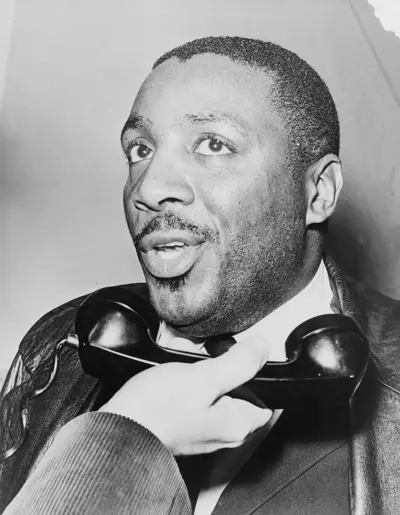
Richard Claxton Gregory was an American comedian, civil rights and vegetarian activist. His writings were best sellers. Gregory became popular among the African-American communities in the southern United States with his "no-holds-barred" sets, poking fun at the bigotry and racism in the United States. In 1961 he became a staple in the comedy clubs, appeared on television, and released comedy record albums.
