T. E. Lawrence Quotes
A first difficulty of the Arab movement was to say who the Arabs were. Being a manufactured people, their name had been changing in sense slowly year by year. Once it meant an Arabian. There was a country called Arabia; but this was nothing to the point.
Lawrence, T. E. Seven Pillars of Wisdom. Jonathan Cape, 1935, p. 33.

Bath parties developed in several Arab countries: In Iraq and Syria they actually came to power. However, they were soon at each other’s throats and never became the unifying force in the Arab world that they had hoped to become at their founding. The quotation turned out to be a hope and a dream but not a realistic assessment of reality.


Patton was leading troops in north Africa in world war two. They came into much contact with the Arabs and Patton thought that his officers should know more about them. He wrote this memo.

Western Saudi Arabia. Although his claim to rule all Arabs was never recognized by other nations and he was deposed by other Arabs in 1924, his sons Feysal I and Abdullah ended up ruling Iraq and Transjordan.

This Arab nationalist leader was actually a Christian Orthodox by religion. He also tried to make the Baath party a secular state and he was a strong advocate of free speech and democracy. When the Islamic fundamentalists became important in Mid East Politics, the Baath Iraq Government under Saddam Hussein claimed, with no evidence, that Aflaq converted to Islam on his deathbed, thus making his philosophy more acceptable to the vast majority of Arabs.


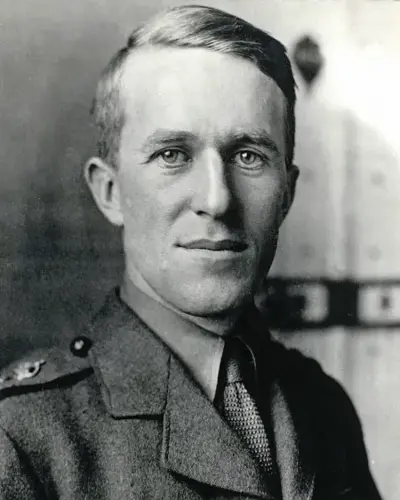
Colonel Thomas Edward Lawrence CB DSO was a British archaeologist, army officer, diplomat, and writer who became renowned for his role in the Arab Revolt (1916–1918) and the Sinai and Palestine Campaign (1915–1918) against the Ottoman Empire during the First World War. The breadth and variety of his activities and associations, and his ability to describe them vividly in writing, earned him international fame as Lawrence of Arabia, a title used for the 1962 film based on his wartime activities.
