Robert E. Lee Quotes
Without music, we wouldn't have an Army.
Freeman, Douglas Southall. R. E. Lee: A Biography. Vol. 3, Charles Scribner's Sons, 1934, p. 245.


During the presidential debates George W. Bush stated that he would be very hesitant to use the military for nation building around the world. Less than a year later, the Bush administration, faced with the September 11, 2001 terrorist attacks, launched a massive attack on the Taliban regime in Afghanistan. After fighting and winning the war, the military soon realized that they would in fact be involved in nation building. However, with the assistance of the United Nations much of the humanitarian burden was lifted from the U.S. military.


Ellis Island was the facility that all East Coast immigrants to America came through. Army recruiting took place right there. Irish Immigrants in particular were targeted by the army. For many Irishmen, it was a very attractive prospect. They received a clean uniform, food, and an immediate pay check and provided a security not offered in the civilian economy. However, they were immediately shipped off to Mexico for the war effort.


Greek invaders were marching on Istanbul

The French and English, with larger numbers and more experienced troops and officers, wanted the American units to come under the command or their officers and be integrated into the allied army. However Wilson established the tradition that American troops fighting abroad most always fight as an American Army under American Command. Although resented then and into the 21st century by America’s allies who are expected to fight under American command, it is a tradition that no American major politician has seriously challenged since then.


3 years later he led America on a huge invasion and nation building project in Iraq. It turned out that had he listened to his own advice and not flip-flopped, the huge cost of the Iraq War might have been avoided.
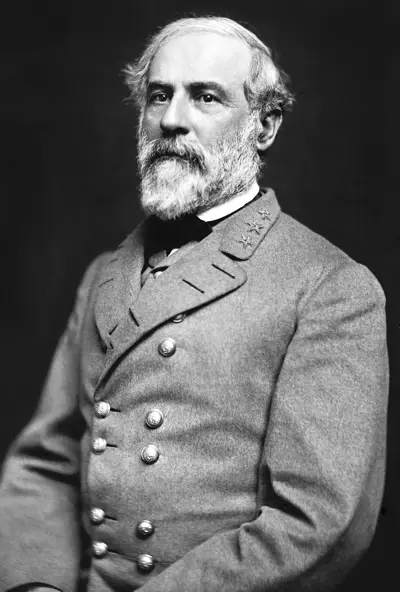
Robert Edward Lee was an American Confederate general best known as a commander of the Confederate States Army during the American Civil War. He led the Army of Northern Virginia from 1862 until its surrender in 1865 and earned a reputation as a skilled tactician.
