Mencius Quotes
Without effective protection of the citizens' right to property, it will be difficult to attract and accumulate valuable capital.

What was to become the 14th Amendment was being discussed. Several of the most radical Republicans drafted language that would allow Congress to make any law regarding life, liberty or property, so that they could be sure that the States would not make their laws in a discriminatory manner. However, Hotchkiss and the majority wanted to be sure the laws were not discriminatory but they didn’t want Congress to have the power to make any law regarding life, liberty and property for every state. The current version of the 14th Amendment just prohibited discrimination in laws, not empowering the Federal Government to override the state governments in most important areas.
The call for individual liberty and the right of personal property by clergy is surprising to many. This Cahier was the consensus of the Clergy of Blois in 1789. There were cahiers of several provinces of France—some by the clergy, some by the nobles. What is fascinating is the emergence of many of the pre-Revolutionary French concepts. The example of the American revolution and its principles was known throughout the educated classes of France.


The economy was terrific under the Republicans and it is always hard to run against a successful economy. However, the lack of meaningful regulation and corporate and financial dominance caused the economy to come crashing down in 1929. See Hoover’s description {603859},


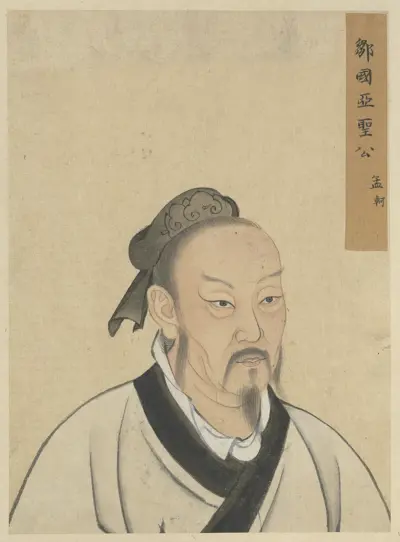
Mencius (born Meng Ke; or Mengzi; 372–289 BC) was a Chinese Confucian philosopher who has often been described as the "second Sage", that is, second to Confucius himself. He is part of Confucius' fourth generation of disciples. Mencius inherited Confucius' ideology and developed it further. Living during the Warring States period, he is said to have spent much of his life travelling around the states offering counsel to different rulers. Conversations with these rulers form the basis of the Mencius, which would later be canonised as a Confucian classic.
