Arthur Laffer Quotes
Sound money is the sine qua non of a prosperous society.
Laffer, Arthur B., and Stephen Moore. Return to Prosperity: How America Can Regain Its Economic Superpower Status. Crown Business, 2010, p. 115.


By 1915 America was selling arms to the allies although we were "neutral." However the allies soon ran low on money to pay for more arms, and Secretary of State, William Jennings Bryan, maintained a policy of no American loans for arms sales. The Treasury Secretary wrote to the President asking for a reversal of policy. The ban on loans was shortly lifted.


The economy was terrific under the Republicans and it is always hard to run against a successful economy. However, the lack of meaningful regulation and corporate and financial dominance caused the economy to come crashing down in 1929. See Hoover’s description {603859},


The sentence was actually drafted by Secretary of the Treasury Salmon Chase.


FDR was then a candidate for the Democratic Vice Presidential Nomination. This statement shocked some of the conservative French and British delegates and officials such as Ramsay MacDonald, Georges Bonnet, and Neville Chamberlain, but economist John Maynard Keynes strongly approved of Roosevelt Roosevelt’s statements. At issue was whether or not the major currency powers should confer frequently and set the international currency exchange rates or should the rates float and be determined at any point by the free market in currency. FDR held the latter view which was opposed to the positions of the conservative banker-oriented delegates from the European counties, However Roosevelt’s statement was considered “harsh” and “vituperative” by the conservatives and the entire conference collapsed over them. FDR admitted that perhaps he had been too strong and blunt in his language. An irony of this quotation is that 80 years later the positions of liberals and conservatives had both flip-flopped. It became the conservatives who adopted the FDR free market for currency exchange while many liberals called for government intervention and agreement on exchange rates to prevent instability.

The very act of printing money created a debt—at the time and until the Nixon Administration which went off the gold standard—the government owed the gold or silver and the spicie—the printed money—was a promissory note.
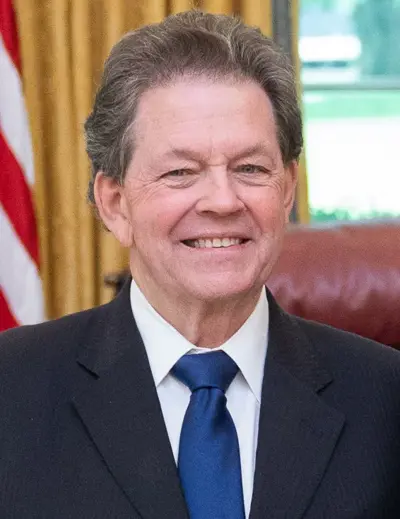
Arthur Betz Laffer is an American economist and author who first gained prominence during the Reagan administration as a member of Reagan's Economic Policy Advisory Board (1981–89). Laffer is best known for the Laffer curve, an illustration of the concept that there exists some tax rate between 0% and 100% that will result in maximum tax revenue for government. In certain circumstances, this would allow governments to cut taxes, and simultaneously increase revenue and economic growth.
