Rebecca West Quotes
... when the Spaniards persecuted heretics they may have been crude, but they were not being unreasonable or unpractical. They were at least wiser than the people of to-day who pretend that it does not matter what a man believes, as who should say that the flavour and digestibility of a pudding will have nothing to do with its ingredients.
West, Rebecca. Black Lamb and Grey Falcon. Viking Press, 1941.


Note the opposition to freedom of speech for contrary theological views. This has been typical of most religions whenever they could exercise or influence state power.

Toleration is a relative term. The Muslim Moors made Christians (and Jews) pay a special tax. At times they were forced to wear special clothing so that they could be readily identified. And they could not build churches larger or taller than the smallest mosque in the community. At times, their occupations were restricted but at other times Christians and Jews were appointed to the highest positions like Vizier. The Inquisition, in contrast, forced all Muslims (and Jews) to leave the country without any of their property or money or be tortured and killed—usually by burning at the stake unless of course that they converted to Christianity.


Spinoza’s ideas were considered so radical and dangerous that he was the only man in history who was excommunicated by the Catholics, the Jews and the Muslims. This was his observation after his first excommunications -- by his Jewish Congregation in Amsterdam.


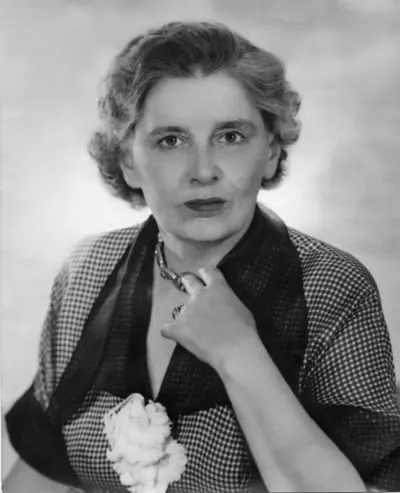
Dame Cicily Isabel Fairfield DBE, known as Rebecca West, or Dame Rebecca West, was a British author, journalist, literary critic, and travel writer. An author who wrote in many genres, West reviewed books for The Times, the New York Herald Tribune, The Sunday Telegraph, and The New Republic, and she was a correspondent for The Bookman. Her major works include Black Lamb and Grey Falcon (1941), on the history and culture of Yugoslavia; A Train of Powder (1955), her coverage of the Nuremberg trials, published originally in The New Yorker; The Meaning of Treason (first published as a magazine article in 1945 and then expanded to the book in 1947), later The New Meaning of Treason (1964), a study of the trial of the British fascist William Joyce and others; The Return of the Soldier (1918), a modernist World War I novel; and the "Aubrey trilogy" of autobiographical novels, The Fountain Overflows (1956), This Real Night (published posthumously in 1984), and Cousin Rosamund (1985). Time called her "indisputably the world's number one woman writer" in 1947. She was made CBE in 1949, and DBE in 1959, in each case, the citation reads: "writer and literary critic". She took the pseudonym "Rebecca West" from the rebellious young heroine in Rosmersholm by Henrik Ibsen. She was a recipient of the Benson Medal.
