Thomas Beecham Quotes
When asked whether he minded if someone smoked in a non-smoking compartment. Certainly not if you don't object if I'm sick.
Amis, John. Amiscellany. Faber & Faber, 1985.


The World Health Organization, a component of the United Nations, advocated national restrictive legislation to control and eliminate smoking. The smoking addict, hooked on nicotine was caught between public health efforts to regulate and eliminate tobacco and the efforts to treat the addicts and respect the individual’s right to freedom of choice.


Bloomberg was the first public official in the world to push for and pass a law banning smoking in all offices, hotels, restaurants, and other public places despite huge opposition funded by the tobacco companies and many of the business and restaurant owners. Despite the fact that it would literally save thousands of lives a year, a ban was feared by politicians as it might harm business, tourism and their own political positions. However, after New York banned smoking, other cities started to do the same, not only in America but all over the world. This saved millions of lives. One courageous man, a single politician, changed much of the world, and saved many more lives than most doctors will.


This is a classic example of the interaction between legislation, health and science. In 1931 the State of Michigan passed a law to protect the public health. It was written to ensure that there would not be unhealthy or dangerous substances added to cigarettes or the tobacco in cigarettes. No “ingredient deleterious to health” could be put in a cigarette. However, although it was not generally known at the time, there are few substances known to man that are as “deleterious to health” as the tobacco itself. The law protected public health, but the enforcement did not concentrate on the right ingredients.
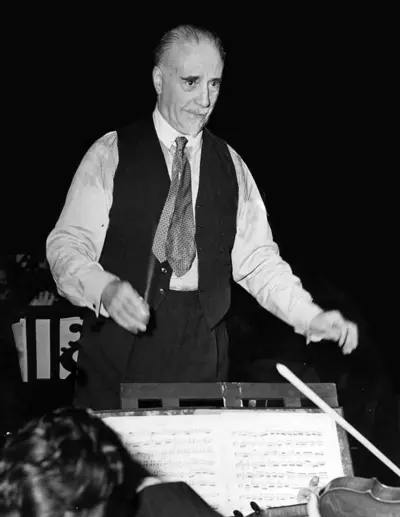
Sir Thomas Beecham, 2nd Baronet, CH was an English conductor and impresario best known for his association with the London Philharmonic and the Royal Philharmonic orchestras. He was also closely associated with the Liverpool Philharmonic and Hallé orchestras. From the early 20th century until his death, Beecham was a major influence on the musical life of Britain and, according to the BBC, was Britain's first international conductor.
