Michael Bloomberg Quotes
To some extent … everybody is resistant to change. Today, you’d be hard-pressed to find anybody that was opposed to the smoking ban … All of Western Europe followed New York City. Many of the states around here did. Every major city, including in the tobacco-growing states in the United States, did. Brazil is smoke-free. Mexico City is smoke-free. All of France, Italy, Spain, England—they’re all smoke-free.
Bloomberg was the first public official in the world to push for and pass a law banning smoking in all offices, hotels, restaurants, and other public places despite huge opposition funded by the tobacco companies and many of the business and restaurant owners. Despite the fact that it would literally save thousands of lives a year, a ban was feared by politicians as it might harm business, tourism and their own political positions. However, after New York banned smoking, other cities started to do the same, not only in America but all over the world. This saved millions of lives. One courageous man, a single politician, changed much of the world, and saved many more lives than most doctors will.
Michael Bloomberg, Mayor of New York City (Republican and Democrat), Interview, The Atlantic, November 2012
Sourced by: Eigen's Political and Historical Quotations


The mayor had asked his health commissioner what the city could do most to improve the health of its citizens, to which the health commissioner—like amost all public health experts—responded “Cut down the smoking.” Without checking with any other politicians or advisors, Bloomberg just began his now famous campaign for a smake free city. He was criticized, castigated, and sued by local bars and restaurants and national tobacco business. But New York became the first Smoke Free city and others all started emulating New York. This saved more lives than all the rest of the public health programs taken together.

Marijuana had been made legal in a number of states at that time. Based on the example of New York City, many other cities of the world were just then passing ordinances to make it illegal to smoke in any public place or any private establishment that serves the public.


Even in 2011 smoking caused over 300,000 and drinking alcohol another 100,000.


The. law was enforced and upheld by the Tennessee Supreme Court (Austin v State) which recognized the health danger of tobacco. Tennessee was an agricultural state where tobacco was grown and the law was repealed as the result of political pressure. But this is the first and only absolute state prohibition on tobacco that has been enacted in the United States.

This is a classic example of the interaction between legislation, health and science. In 1931 the State of Michigan passed a law to protect the public health. It was written to ensure that there would not be unhealthy or dangerous substances added to cigarettes or the tobacco in cigarettes. No “ingredient deleterious to health” could be put in a cigarette. However, although it was not generally known at the time, there are few substances known to man that are as “deleterious to health” as the tobacco itself. The law protected public health, but the enforcement did not concentrate on the right ingredients.

This quotation not only illustrates Ford’s wide ranging concern about public affairs but illustrates that the addictive properties of cigarettes were known long before the cancer and other disease causing properties of tobacco were understood. Yet the addictive properties were the last deleterious effects of smoking that the tobacco companies would admit to. At the end of the 20th century, the CEO’s of the major tobacco company all lied to Congress in hearings, claiming that cigarettes were not addictive. Ford and millions of people knew better generations ago.


The World Health Organization, a component of the United Nations, advocated national restrictive legislation to control and eliminate smoking. The smoking addict, hooked on nicotine was caught between public health efforts to regulate and eliminate tobacco and the efforts to treat the addicts and respect the individual’s right to freedom of choice.

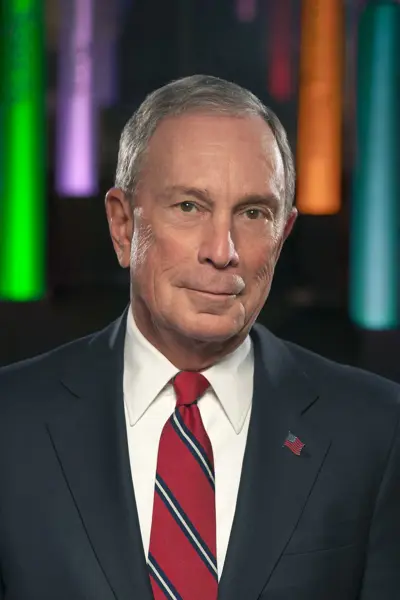
Michael Rubens Bloomberg is an American businessman, politician, philanthropist, and author. He is the majority owner and co-founder of Bloomberg L.P. He was the Mayor of New York City from 2002 to 2013, and was a candidate for the 2020 Democratic nomination for president of the United States.
